The first time we pulled our rental camper over on the side of Iceland’s Ring Road, it wasn’t to look at a waterfall. It was because the wind was shaking the chassis so hard we thought the coffee pot was going to become a projectile. We sat there for twenty minutes, watching horizontal rain batter the windshield, wondering if we’d made a terrible mistake coming in October.
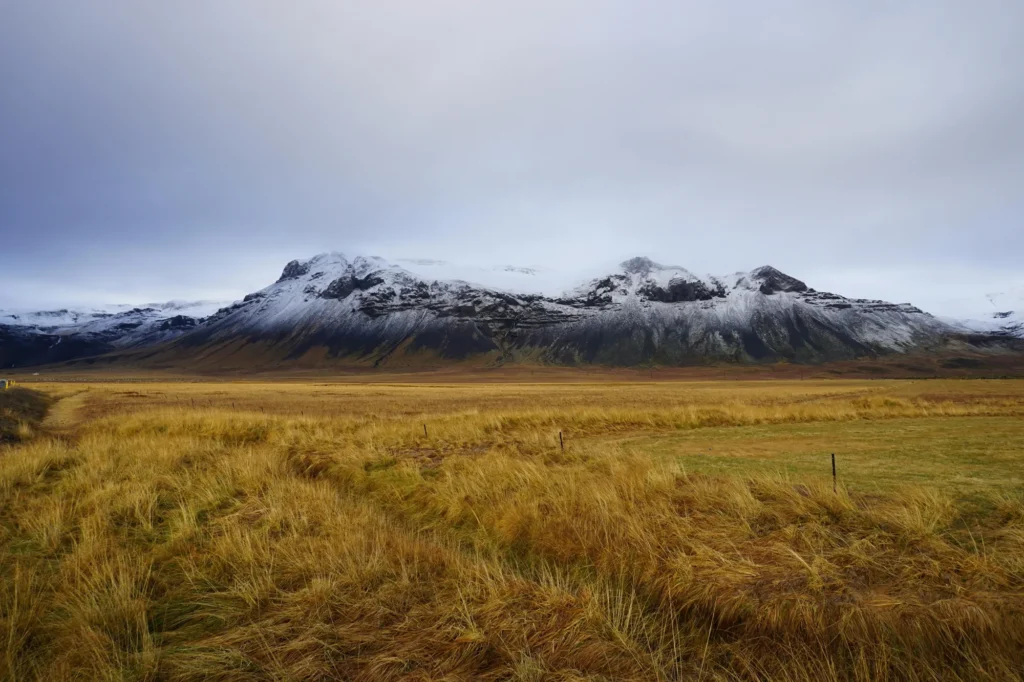
Ten minutes later? The clouds broke, the sun hit a moss-covered lava field that looked like it belonged on Mars, and we forgot all about the terror.
That is the reality of Iceland. It doesn’t care about your itinerary. It doesn’t matter that you booked a whale-watching tour for Tuesday at 9:00 AM. It is raw, volatile, and absolutely indifferent to your comfort, which is exactly why we love it.
If you are reading this, you probably aren’t the type to book a bus tour where you stare at glaciers through a tinted window. You want to drive. You want the freedom to pull over (safely!) when the light hits a fjord just right. You want to know when you can actually take a travel trailer or a campervan around the island without getting blown off a cliff.
So, let’s skip the glossy brochure talk. You want to know the “best” time to visit? The honest answer is: It depends entirely on what you are willing to tolerate.
Here is the deep dive into when to go, based on road conditions, daylight, and just how much adventure you can handle.
 pexels-sl-wong
The Big Three: Choosing Your Icelandic Season
Most guides slice the year into four seasons. In Iceland, that’s optimistic. For a road tripper, there are really only three distinct modes of travel here:
- The “All-Access” Season (Summer): Maximum daylight, open F-Roads, crowds.
- The “Golden Balance” (Shoulder Season): Decent weather, manageable roads, darker nights for auroras.
- The “Deep Freeze” (Winter): Serious adventure, limited light, high driving risk, high reward (Auroras).
Let’s break them down, not just by weather, but by the experience you will actually have behind the wheel.
1. Summer: The Road Tripper’s Holy Grail (June to August)
If your dream involves navigating the rugged interior, crossing unbridged rivers in a 4×4, or towing a trailer around the full Ring Road without white-knuckling the steering wheel every five minutes, this is your window.
Why It Wins:
- The Midnight Sun: We cannot overstate how weird and wonderful it is to set up camp at 11:30 PM in broad daylight. You lose all sense of time. You can hike a volcano at 2:00 AM and have the place to yourself. For photographers and drivers, this is unlimited currency. You don’t have to rush to beat the sunset because there isn’t one.
- F-Roads Are Open: This is the critical factor for serious explorers. The interior highlands (Landmannalaugar, Þórsmörk, Askja) are accessible only via F-Roads. These rough gravel tracks are closed for roughly 9 months of the year. They usually open late June or early July. If you come in May hoping to see the colored mountains of Landmannalaugar, you will be turned back at the gate.
- Everything is Alive: The puffins are nesting on the cliffs (until mid-August), the sheep are roaming free (watch out for them on the road), and the moss is a neon green that looks photoshopped.
The Trade-off: You are not the only one who knows this. The Ring Road in July can feel like a caravan of campervans. Campsites will be full by evening. You need to book your rental vehicle months in advance, especially if you want a specific 4×4 or an automatic transmission. Also, “Summer” is a relative term. It can still be 50°F (10°C) and raining sideways.
Pro Tip for 2026: Mark your calendar for August 12, 2026. A total solar eclipse will pass over Iceland. It is going to be a massive event. If you plan to be there, book your camper and campsites now. The path of totality will cover the Westfjords and the Snæfellsnes Peninsula. Seeing the sun go dark over a glacier? That is a ‘once in a lifetime’ drive.
2. Shoulder Season: The Sweet Spot (May & September)
Ask any veteran Iceland traveler their favorite month, and 80% of them will say September.
Why It Wins:
- The Best of Both Worlds: In September, the F-Roads are usually still open (until the first big snow), but the summer crowds have vanished. The temperatures are crisp, not freezing.
- Darkness Returns: Unlike June, you actually get a dark sky at night. This means you have a very real chance of seeing the Northern Lights, but you aren’t fighting blizzard conditions to do it.
- May is for Birders: If you come in late May, you get the “Spring” energy. The waterfalls are thundering from snowmelt, and the days are getting long again. The roads are generally clear of ice, making towing a trailer significantly less stressful than in April.
The Trade-off: It’s a gamble. May can be incredibly windy. September can bring early storms that shut down the Ring Road for a day. In May, the highlands are definitely closed. In September, they are on borrowed time. If your heart is set on the deep interior, September is risky, if snow comes early, the rangers close the roads instantly.
3. Winter: The Fire & Ice Adventure (October to April)
Let’s be real: Winter in Iceland is not for the faint of heart, especially if you plan to drive yourself.
Why It Wins:
- The Aurora Borealis: This is the main draw. From late September to April, the nights are long and dark. On a clear night, the show is spectacular.
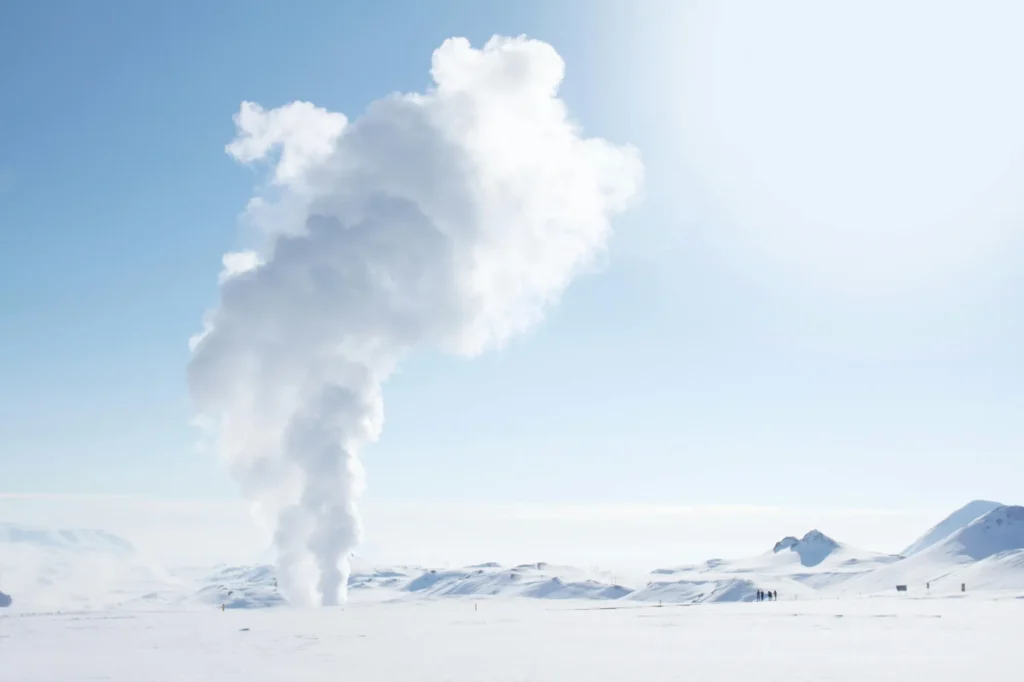
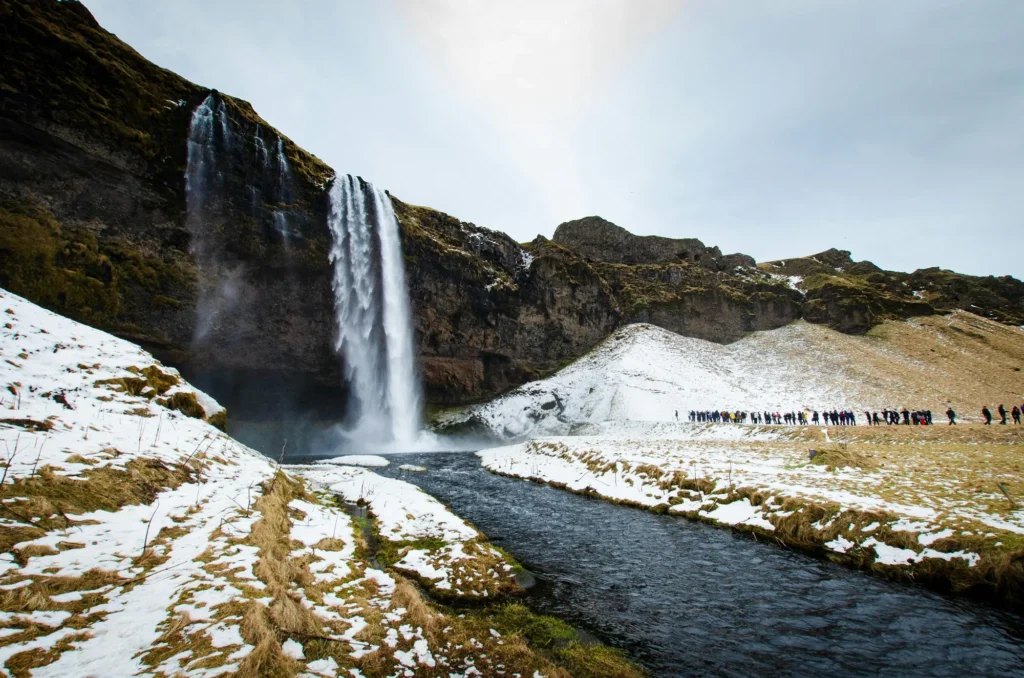
- The Mood: There is something profoundly beautiful about Iceland in the snow. The waterfalls partially freeze, the black sand beaches look even moodier against white drifts, and the geothermal pools feel a million times better when the air temp is 20°F (-6°C).
- Cost: Rental cars and campsites (the ones that stay open) are cheaper.
The Trade-off: Driving. We cannot stress this enough: Driving a camper or towing a trailer in an Icelandic winter is expert-level work. The wind can gust up to 70 mph. Black ice is invisible and everywhere. You might have only 4 to 5 hours of daylight in December to do all your driving and sightseeing. If you are not confident driving on ice, do not come in winter. Period.
 pexels-nicholas-hatherly
Road Trip Reality: What You Are Driving Matters
Since you are reading Your Travel Trailer, let’s talk specifically about the rig. The vehicle you choose dictates when you can visit.
The Campervan / Motorhome Crowd
- Best Time: May through September.
- Why: High-profile vehicles are sails in the wind. In winter, strong gusts can (and do) flip campers. Most rental agencies will not even let you take a standard motorhome into the highlands. Stick to the warmer months when the asphalt is dry and the winds are slightly less homicidal.
The 4×4 Rooftop Tent Rigs
- Best Time: June through September.
- Why: You need the F-Roads to open to get the most out of these beasts. Sleeping in a rooftop tent in October is possible, but you better have a zero-degree sleeping bag and a high tolerance for flapping canvas keeping you awake all night.
The Rental Car plus Hotel Crowd
- Best Time: Year-round.
- Why: A studded-tire 4×4 SUV is the safest way to tackle winter. You have a warm hotel to retreat to when the storm hits. If you want to see the Northern Lights without the “camping in a freezer” element, this is the way to do it.
Month by Month Breakdown
Need a quick decision? Here is the cheat sheet.
January to February
- Vibe: Deep winter. Dark, snowy, serious.
- Driving: Studded tires are mandatory. Ring Road often closes due to storms.
- Best For: Aurora hunting, ice caves, hot springs.
- Avoid If: You are nervous about driving in snow or hate the dark.
March
- Vibe: Winter with a hint of hope. Days are getting longer.
- Driving: Still winter conditions. Icy patches are common.
- Best For: Skiing, late season Auroras, slightly longer driving days.
April
- Vibe: The awkward thaw. It’s brown, muddy, and wet.
- Driving: Ring Road is mostly clear, but side roads can be mud pits.
- Best For: Budget travelers. It’s not the prettiest month, but it’s cheap.
May
- Vibe: Spring has sprung (sort of).
- Driving: Ring Road is easy. Westfjords start opening up.
- Best For: Waterfalls (max flow), puffins arriving (late May), avoiding summer crowds.
June
- Vibe: Endless light. The energy is manic and fun.
- Driving: F-Roads start opening late in the month.
- Best For: Midnight Sun, lupine fields (purple flowers everywhere), road trips.
July
- Vibe: Peak Season. Busy, green, and “warm” (55°F/13°C).
- Driving: All roads open. River crossings are lower in the morning (remember that).
- Best For: Hiking, F-Road adventures, camping.
August
- Vibe: Late summer gold.
- Driving: Still perfect. Nights start to get dark for a few hours by month’s end.
- Best For: Festivals, berry picking, the last of the puffins (gone by mid-month).
- Note: Don’t forget the 2026 Solar Eclipse!
September
- Vibe: Autumnal bliss. The moss turns bronze.
- Driving: Good, but watch for the first frost. F-Roads usually close by late Sept.
- Best For: Photographers, hikers, Northern Lights beginnings.
October
- Vibe: Winter is coming.
- Driving: Wet and windy. The transition to winter tires usually happens here.
- Best For: Moody landscapes, fewer tourists, cozy cabin stays.
November to December
- Vibe: The darkest days. Festive lights in Reykjavik, pitch black everywhere else.
- Driving: See January. Short days mean you can’t cover much ground.
- Best For: New Year’s Eve (bonfires are insane), serious Aurora hunting.
 pexels-icelandic
The Northern Lights: Managing Expectations
A lot of people plan their entire trip around the Aurora. We want to be the friend who tells you the truth: Do not do this.
The Aurora is a natural phenomenon. It requires three things:
- Darkness (impossible May to July).
- Solar activity (Kp index).
- Clear skies (the hardest part in Iceland).
You can visit in January, the prime month, and have overcast skies for two weeks straight. You will see nothing but grey clouds.
The Strategy: Plan a great road trip for September or March. Fill your days with hikes, glacier walks, and hot springs. If the lights show up? It’s a bonus. If they don’t? You still had an incredible trip. If you sit in a hotel room waiting for a green sky that never comes, you will leave disappointed.
Also, a note on photography: The lights often look grey or white to the naked eye unless they are very strong. Your camera sensor will see the green before you do. Don’t feel cheated, that’s just physics.
Practical Tips for the Road
Since we are focused on the road trip aspect, here are a few specific things you need to know about driving in Iceland, regardless of the season.
1. The Door Rule
Park into the wind. When you open your car door, hold onto it with both hands. We have seen doors bent backward against the fender by a sudden gust. Rental insurance rarely covers “wind-blown doors.” It is a rookie mistake that costs thousands.
2. Sheep are Suicidal
In summer, sheep roam free. They like to stand on the warm asphalt. If you see a lamb on one side of the road and the mother on the other, slow down to a crawl. The lamb will run to the mother the second your car gets close.
3. The Single Lane Bridge Etiquette
Ring Road is mostly two lanes, but there are many single lane bridges. The rule is: The car closer to the bridge has the right of way. Flash your lights to acknowledge the other driver. Slow down. These bridges are often bumpy and narrow.
4. Gas Station Hot Dogs
This isn’t a driving tip, but it’s a survival tip. Gas station hot dogs (pylsur) are the primary food group of the Icelandic road tripper. They are cheap, delicious, and everywhere. Order one “with everything” (remoulade, sweet mustard, fried onions, raw onions). Trust me.
5. The F-Road Insurance Trap
If you rent a 2WD vehicle (like a small camper or economy car), you are legally banned from F-Roads. If you drive on one anyway and get stuck or damage the undercarriage, your insurance is void. You are on the hook for the tow (which can cost $1,000 plus) and the damage. Don’t risk it. If you want the highlands, pay for the 4×4.
Final Verdict: When Should YOU Go?
Go in early September if you want the perfect balance. You get the lingering access to the highlands, the roads are clear, the fall colors are spectacular, and you have a solid shot at the Northern Lights without freezing to death.
Go in July if you are a hardcore camper who wants to see the wildest, most remote parts of the island and doesn’t mind sleeping with an eye mask on.
Go in February only if you are chasing the Aurora and are comfortable driving on an ice rink.
Iceland is not a theme park. It is a wild, living rock in the middle of the North Atlantic. It demands respect, but it rewards you with landscapes that ruin you for anywhere else on earth.
Pack your waterproofs (the good ones), download your offline maps, and we’ll see you on the Ring Road.
Quick Packing List for Any Season
- Windproof/Waterproof Shell: Umbrellas are useless here, the wind destroys them in seconds.
- Layers: Wool or synthetic. Cotton kills (it gets wet and stays cold).
- Swimsuit: For the hot springs. Yes, even in a blizzard.
- Sunglasses: The sun is low in the sky even in summer, the glare on wet roads is blinding.
- Credit Card with PIN: Many gas pumps are unmanned and require a card with a PIN.