- 1. The Death of the “Tourist Trap”
- 2. Road Trips: The Ultimate Freedom
- 3. Technology Is Your New Co-Pilot
- 4. The Rise of “Coolcations”
- 5. Sustainable Exploration: Leave It Better
- 6. How to Plan for 2026 (The Practical Stuff)
- 7. The Remote Work Revolution
- 8. Essential Gear for 2026
- 9. Finding Your “Why”
- 10. Final Thoughts from the Road
Last night, I was looking at a map of the world on my tablet, and I realized something. Most of us spend our lives looking at the same few zip codes, yet the technology in our pockets and the vehicles in our driveways have never been more ready to take us further.
The year 2026 isn’t just another calendar flip; it’s a shift in how we move. We’re moving away from the “checklist” style of travel and toward something deeper. Whether you’re towing a 20-foot trailer or carrying nothing but a 40-liter backpack, the world is open in ways it hasn’t been for decades.
This is the year to stop waiting for “someday.” Here is how you can actually explore the world in 2026.
1. The Death of the “Tourist Trap”
For a long time, travel was about seeing the big landmarks. You went to Rome for the Colosseum; you went to Paris for the Eiffel Tower.
In 2026, the trend is “Second-City Exploration.” People are trading overcrowded hubs for smaller, authentic spots that haven’t been ruined by social media fame.
- Albania over Italy: The “Albanian Riviera” offers the same blue water as the Amalfi Coast but at a fraction of the cost and with 90% fewer crowds.
- Hoi An over Bangkok: Vietnam is seeing a massive surge because it feels “real.” Head to the central coast for quiet countryside and incredible food.
- Lofoten Islands over Oslo: If you want wild beauty, Norway’s islands are unbeatable for road trippers.
The Pro Tip: If a place is trending on TikTok, don’t go there. Go to the town two hours away from it.
2. Road Trips: The Ultimate Freedom
There is no better way to see a country than behind a steering wheel. In 2026, the “van life” movement has matured into something more sustainable and high-tech.
Why the Trailer Wins in 2026
Towing your home gives you a level of control that hotels can’t match. You aren’t tied to check-in times or bad breakfast buffets.
- Energy Independence: Most new trailers now come standard with solar arrays that can power a laptop and a fridge for days.
- Starlink Everywhere: High-speed satellite internet means you can park in the middle of a desert in Utah or a forest in Romania and still take a Zoom call.
- Slow Travel: People are staying in one spot for two weeks instead of two days. It’s better for your wallet and your sanity.
Top Routes to Drive This Year
- The Atlantic Road, Norway: It’s a series of bridges that leap across the ocean. It’s short, sharp, and perfect for a campervan.
- The Garden Route, South Africa: A classic for a reason. You get mountains, forests, and the ocean all in one day.
- The Great Ocean Road, Australia: Rent a rig in Melbourne and head west. Stop for the koalas; stay for the surf.
3. Technology Is Your New Co-Pilot
We’ve moved past the era of paper maps, but 2026 technology goes way beyond Google Maps.
- AI Itinerary Planning: Tools like ChatGPT and specialized travel AI can now build a 14-day route based on your specific interests (like “only dog-friendly breweries” or “campsites with the best stargazing”).
- Augmented Reality (AR) Guides: You can point your phone at a ruin in Greece or a mountain in Peru, and your screen will show you what the city looked like 2,000 years ago or identify every peak in the range.
- Universal Translation: Wearable tech and apps now offer near-instant voice translation. You can actually have a conversation with a shopkeeper in rural Japan without knowing a word of the language.
4. The Rise of “Coolcations”
Climate change is shifting where we go. In 2026, the “Summer in Spain” is being replaced by the “Summer in Scandinavia.”
Travelers are seeking out cooler climates to escape the extreme heat of traditional southern hotspots.
Destinations for a Cooler Summer
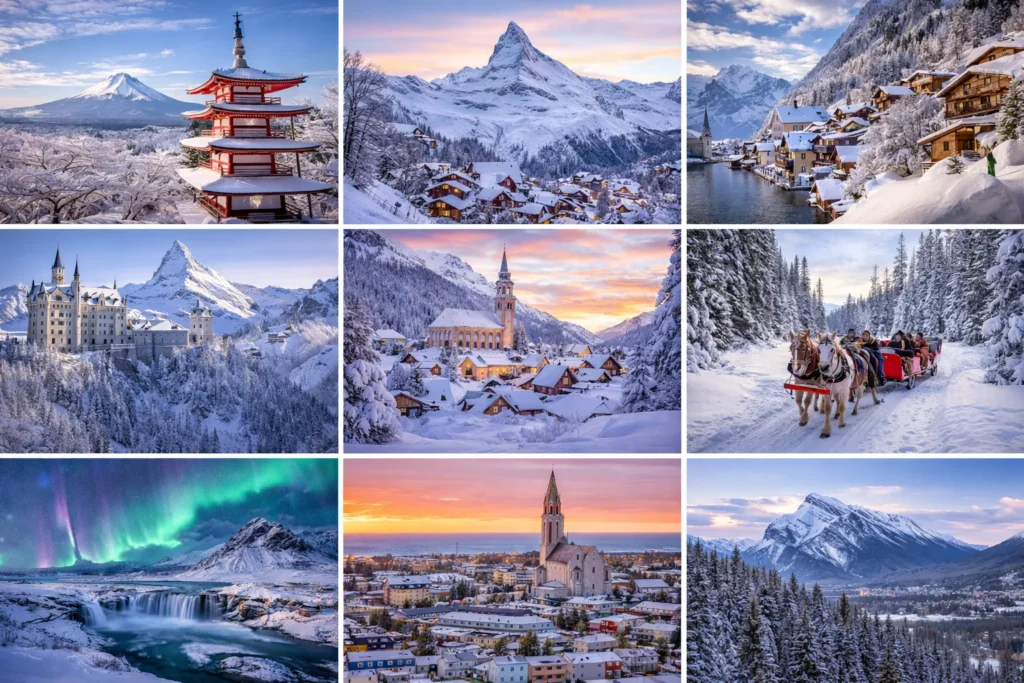
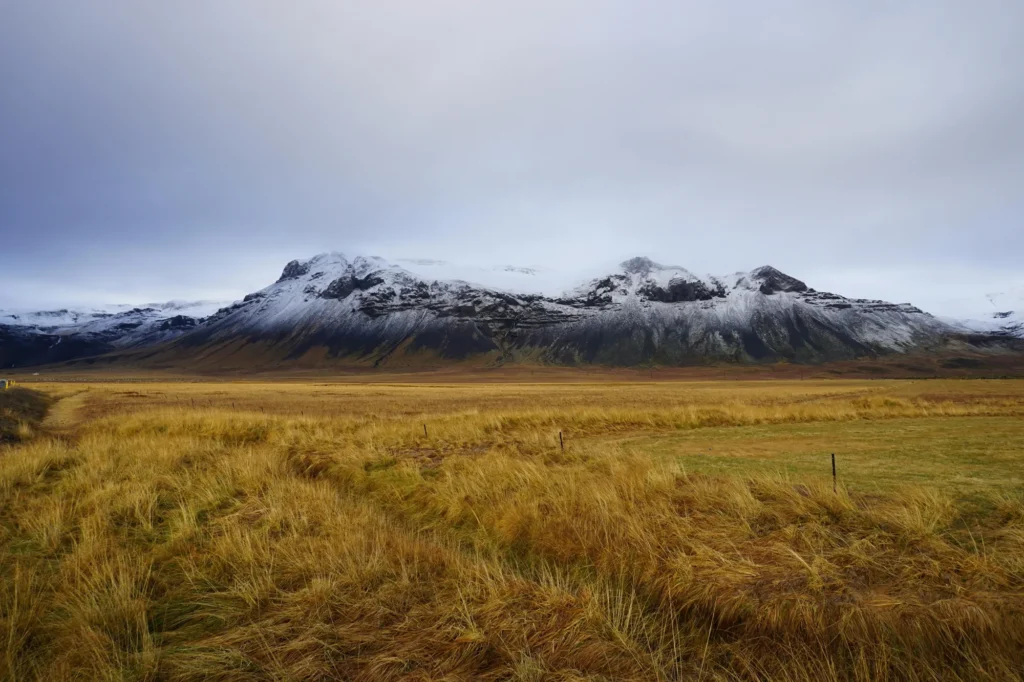
- Iceland: The Ring Road is the holy grail for road trippers. You get glaciers, volcanoes, and waterfalls without ever feeling hot.
- The Canadian Rockies: Park your trailer near Banff or Jasper. The air is crisp, the lakes are turquoise, and the hiking is world-class.
- Slovenia: Often ignored, this country is a playground of green forests and cold alpine lakes. It’s also incredibly affordable compared to Switzerland.
5. Sustainable Exploration: Leave It Better
In 2026, “leave no trace” is the bare minimum. The new goal is Regenerative Travel. This means choosing experiences that actually improve the place you’re visiting.
- Support Local: Skip the global hotel chains. Stay at family-run campgrounds or “agriturismos” (farm stays) where your money goes directly into the local economy.
- Electric Road Trips: The charging network for EVs and electric trucks is finally robust enough for long-distance towing in North America and Europe.
- Carbon Offsetting: Many travelers are now using apps to track the footprint of their flights and drives, then donating to local reforestation projects in the areas they visit.
6. How to Plan for 2026 (The Practical Stuff)
If you want to do this right, you need a strategy. The “winging it” method is getting harder as more people hit the road.
Booking Windows
- National Parks: Most major parks now require vehicle reservations months in advance. If you want to see Yosemite or Zion, book the moment the window opens.
- International Flights: 2026 is seeing a “rail revival” in Europe. If you’re going overseas, look at sleeper trains as a replacement for short-haul flights. They save you a night of hotel costs and are far more relaxed.
The Budget Reality
Travel isn’t getting cheaper, but it is getting more flexible.
| Travel Type | Daily Budget (USD) | Best For |
| Backpacking | $40 – $70 | Solo travelers, social vibes, flexibility. |
| Trailer/RV | $100 – $200 | Families, long-term stays, remote work. |
| Boutique / Hotels | $250+ | Short trips, luxury, city exploration. |
7. The Remote Work Revolution
The “Digital Nomad” isn’t a niche anymore; it’s a standard lifestyle. In 2026, countries like Portugal, Spain, Japan, and Colombia have specific visas that allow you to live and work there for up to a year.
Why this matters for you: You don’t have to wait for your two weeks of vacation.
Pack the trailer, set up the Starlink, and work from a different view every Tuesday. The best part? You’ll find communities of other road-based workers at almost every major hub.
8. Essential Gear for 2026
You don’t need a lot, but you need the right stuff.
- Portable Power Station: Essential for keeping gadgets charged without draining your vehicle battery.
- Water Filtration: A high-quality filter (like a Grayl or Lifestraw) means you can stop buying plastic bottles anywhere in the world.
- Multi-Use Clothing: Merino wool is king. It doesn’t smell, it regulates temperature, and you can wear it for a week straight if you’re deep in the woods.
9. Finding Your “Why”
Before you pick a destination, ask yourself why you’re going.
Are you looking for a challenge? Then maybe a solo trek in the Himalayas or a drive across the Silk Road is the answer.
Are you looking for a reset? Find a quiet beach in Portugal or a lake in Maine and stay there until you forget what your inbox looks like.
The beauty of 2026 is that the barriers are gone. Language, navigation, and connectivity are no longer excuses. The only thing left is your decision to go.
10. Final Thoughts from the Road
I’ve spent the better part of a decade living out of various vehicles and bags. If there’s one thing I’ve learned, it’s that the best moments never happen at the famous landmarks.
They happen when you’re forced to stop for a flat tire in a small village and end up sharing a meal with a local family. They happen when you find a random dirt road that leads to a view you didn’t know existed.
The world is huge, but it’s accessible. In 2026, the freedom to explore is yours. You just have to be brave enough to take the first exit.