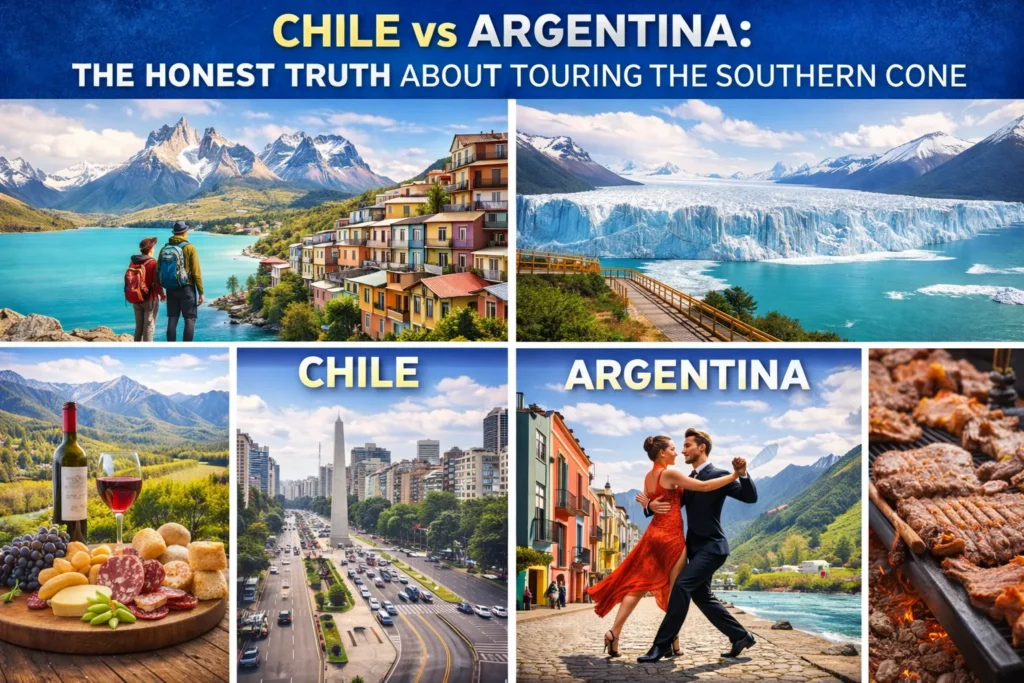
- Chile vs Argentina: The Ultimate Road Trip Rivalry
- The “Vibe” Check: Order vs. Passion
- The Geography Problem: Vertical vs. Horizontal
- Road Trip Royale: Ruta 40 vs. Carretera Austral
- Border Crossing: The Gatekeeper’s Guide
- The Money Talk: 2026 Update
- Battle of the Palate: Steak vs. Seafood
- Destination Showdown: Where Should YOU Go?
- My Final Advice
Chile vs Argentina: The Ultimate Road Trip Rivalry
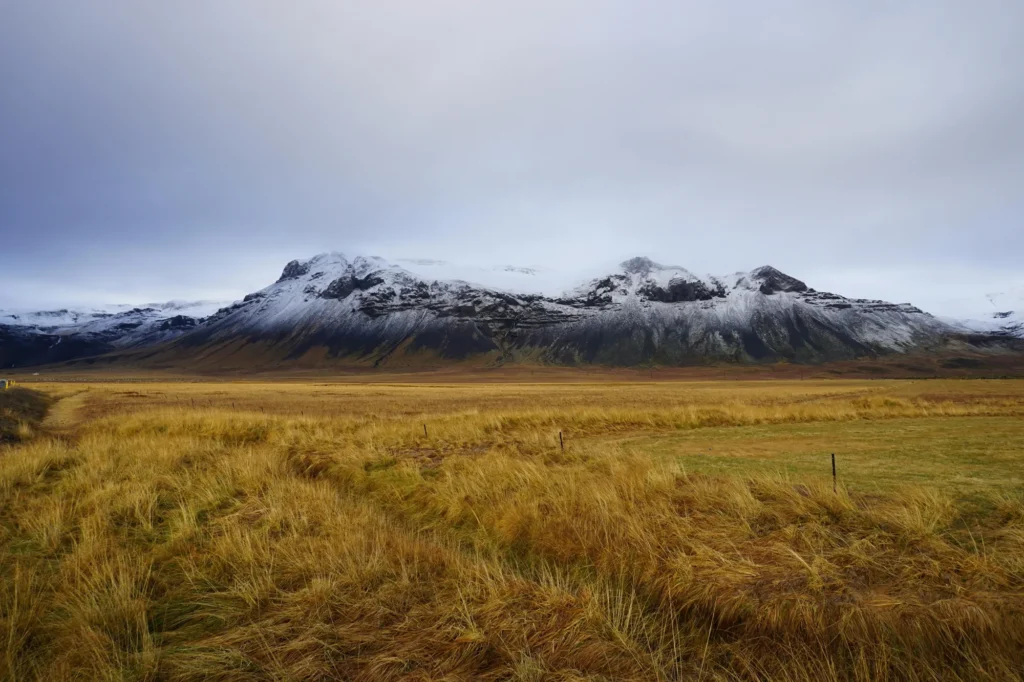
I was standing at the Paso Roballos border crossing, a dusty, windswept outpost that looks more like a sheep shed than an international boundary. On my left, the Chilean road was a narrow, winding ribbon of gravel carving through lush, green river valleys. On my right, the Argentine road stretched out as a straight, wide arrow into an infinite, brown steppe.
That single moment explained the difference between these two giants better than any guidebook ever could.
If you are planning a trip to the Southern Cone, you are likely torn. Do you go for Chile’s dramatic, compressed geography where glaciers meet the desert? Or do you choose Argentina’s vast, romantic expanses of cowboys and red wine?
I have driven thousands of miles in both. I have changed flat tires in the Atacama and eaten way too much steak in Mendoza. Here is the honest, unfiltered truth about how to choose between Chile and Argentina—or how to tackle them both without losing your mind.
The “Vibe” Check: Order vs. Passion
Before we talk about maps, let’s talk about feelings. These two neighbors share a massive border, but they feel like distant cousins who only see each other at holidays.
Argentina: The Extroverted Poet
Argentina grabs you by the shoulders and kisses you on both cheeks. It is loud, passionate, and incredibly European. Walking through Buenos Aires feels like Madrid or Rome, but with a chaotic, uniquely South American energy.
- The People: Argentines are storytellers. Ask a gas station attendant for directions, and you might get a ten-minute history of the local mountain range. They stay up late—dinner often doesn’t start until 10:00 PM.
- The Atmosphere: There is a sense of faded glory here. The architecture is grand, the culture is proud, and there is a pervasive nostalgia (often linked to tango) that is intoxicating.
- The Drive: Driving here is an act of faith. Traffic laws are often viewed as “suggestions,” especially the speed limit.
Chile: The Introverted Engineer
Chile is quieter. It holds its cards close to its chest. If Argentina is the friend who sings karaoke at the top of their lungs, Chile is the one quietly fixing the microphone so it sounds better.
- The People: Chileans tend to be more reserved initially. They are incredibly polite, helpful, and value order. You won’t get the immediate bear hug you get in Argentina, but you will get genuine, reliable hospitality.
- The Atmosphere: Things work here. The roads are generally better maintained (even the gravel ones), the buses run on time, and there is a “South American Switzerland” efficiency that road trippers often appreciate after weeks on the road.
- The Drive: signage is clear, and drivers tend to respect lane markers more than their neighbors.
The Geography Problem: Vertical vs. Horizontal
This is the most critical logistical factor for your trip planning.
Chile is Vertical.
It is a sliver of land, rarely more than 110 miles wide, but 2,600 miles long.
- The Impact: You can wake up at the beach and be skiing in the Andes by lunch. The diversity is packed tight. You don’t need to drive for days to see a landscape change; it happens around every corner.
- The Downside: To get from North (Atacama) to South (Patagonia), you almost have to fly or take a 4-day drive. There is no quick way down.
Argentina is Horizontal.
It is massive. The steppe goes on forever.
- The Impact: You need time. To get from the Atlantic coast to the Andes, you are looking at hours of driving through flat, nothingness. But that “nothingness” has a haunting beauty that road warriors love.
- The Upside: The infrastructure connects the country well. You can drive a loop more easily in Argentina than in Chile’s fragmented geography.
Road Trip Royale: Ruta 40 vs. Carretera Austral
If you are reading this on Your Travel Trailer, you probably care about the drive itself. This is the heavyweight title fight of South American road trips.

The Challenger: Chile’s Carretera Austral (Route 7)
This is widely considered one of the most scenic drives on Earth. It stretches roughly 770 miles from Puerto Montt to Villa O’Higgins.
- The Terrain: Dense temperate rainforests, hanging glaciers, turquoise rivers, and fjords. It is lush, green, and wet.
- The Road: It is a mix of paved sections and rip-your-teeth-out gravel (though they are paving more every year).
- The Catch: It is not a continuous road. You must take ferries. In high season (January-February), you need to book these ferries weeks in advance, or you will be stuck at a dock for days.
- Vehicle: You want high clearance. A 4×4 is preferred, but a sturdy SUV works if you take it slow.
The Legend: Argentina’s Ruta 40
The “Route 66” of Argentina. It runs over 3,000 miles from the Bolivian border down to Rio Gallegos.
- The Terrain: High-altitude deserts, salt flats, endless steppe, and jagged mountain horizons. It is dry, dusty, and vast.
- The Road: Mostly paved now, but the southern sections in Patagonia still have legendary gravel stretches that can eat tires for breakfast.
- The Catch: The wind. The Patagonian wind is not a weather event; it is a geological force. It can flip trailers and rip doors out of hands.
- Vehicle: Standard cars can do most of it, but carry an extra spare tire and extra fuel. Gas stations can be 200 miles apart.
The Verdict:
- Drive the Carretera Austral if you want technical driving, ferry hopping, and Jurassic Park scenery.
- Drive Ruta 40 if you want the “lonesome cowboy” experience, big skies, and higher speeds.
Border Crossing: The Gatekeeper’s Guide
Crossing between Chile and Argentina with a vehicle is not like crossing from France to Germany. It requires paperwork and patience.
The Golden Rule: You must request a Permiso Internacional from your rental car agency at least 10 days in advance. You cannot just decide to cross on a whim. It usually costs an extra $100-$150 USD.
The Best Crossings for Road Trippers
- Paso Los Libertadores (Santiago to Mendoza):
- The Vibe: You drive up a massive switchback road (The “Snails”) to a high-altitude tunnel.
- The Warning: It is the busiest crossing. Commercial trucks clog it up, and winter snow often closes it for days. Check the forecast.
- Paso Cardenal Samoré (Lake District):
- The Vibe: It cuts through volcanic landscapes and monkey-puzzle tree forests.
- The Warning: Reliable and paved. This is the safest bet for winter crossings (though chains are often mandatory).
- Paso Roballos (Patagonia Backcountry):
- The Vibe: The adventure choice. It connects Chile’s Chacabuco Valley with Argentina’s Route 40.
- The Warning: Dirt and gravel only. No services. You might be the only car crossing that day.
- Paso Rio Don Guillermo (Torres del Paine to El Calafate):
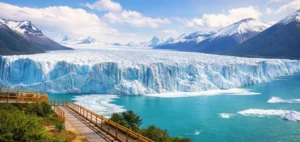
- The Vibe: The tourist classic. This is how you link the two big superstars: Torres del Paine National Park and Perito Moreno Glacier.
- The Warning: In summer, tour buses can make the line 2-3 hours long. Go early (8:00 AM) or late (6:00 PM).
The Money Talk: 2026 Update
This is where things get tricky. Argentina’s economy is a rollercoaster.
In Chile:
The economy is stable.
- Cost: Expect prices similar to the US or Western Europe. Gas is expensive (approx. $1.30 – $1.50 USD per liter).
- Payment: Credit cards work almost everywhere. You don’t need to carry wads of cash.
In Argentina:
As of early 2026, the gap between the “Blue Dollar” (street rate) and the official rate has narrowed significantly compared to the wild days of 2023.
- The “MEP” Rate: If you use a foreign credit card (Visa/Mastercard), you get a special tourist exchange rate called the MEP, which is nearly as good as the street cash rate.
- Cash vs. Card: You no longer need to bring bricks of $100 bills to pay for everything. You can use your card for hotels and dinners safely and get a great rate.
- Cash is Still Queen: However, in rural Patagonia or small towns on Ruta 40, cash is still the only way. Bring crisp, new $100 USD bills to exchange at “cuevas” (informal exchange houses) or Western Union for your pocket money.
- The “Value” Factor: Argentina is still cheaper than Chile for dining and lodging, but it is not the “pennies on the dollar” bargain it was a few years ago.
Battle of the Palate: Steak vs. Seafood
You will eat well in both, but the menus are polar opposites.
Team Argentina:
- The Star: Asado. This isn’t just BBQ; it’s a religion. Short ribs, flank steak, chorizo, and blood sausage cooked slow over coals.
- The Wine: Malbec from Mendoza. Big, bold, and high alcohol.
- The Sweet: Dulce de Leche. They put it on everything. Toast, cake, spoons, fingers.
- Don’t Miss: An authentic Milanesa (breaded meat cutlet) at a local bodegón.
Team Chile:
- The Star: The Humboldt Current provides the best cold-water seafood in the world. Congrio (Conger eel), Centolla (King Crab), and Machas a la Parmesana (razor clams with cheese).
- The Wine: It was extinct in Europe but thrived here. It’s spicy, savory, and goes perfectly with a corn pie (Pastel de Choclo).
- The Street Food: The Completo. A hot dog buried under avocado, tomatoes, sauerkraut, and mayo. It sounds wrong. It tastes right.

Destination Showdown: Where Should YOU Go?
If you still can’t decide, here is the breakdown by traveler type.
Choose Chile If:
- You love hiking: Torres del Paine is the holy grail of trekking.
- You want variety: You want to see geysers, deserts, and glaciers in a single 10-day trip.
- You prefer seafood: You’d take a fresh ceviche over a steak any day.
- You value efficiency: You want your rental car to be new and the road signs to be accurate.
Choose Argentina If:
- You are a culture vulture: You want to sit in cafes, watch tango, and discuss politics until 2:00 AM.
- You love wide-open drives: You want to put on a playlist and drive for 4 hours without turning the wheel.
- You are on a tighter budget: Even with rising costs, your dollar goes further here than in Chile.
- You want the “Iconic” shots: Perito Moreno Glacier and Mount Fitz Roy are accessible without multi-day hikes.
My Final Advice
Don’t try to do the entire continent in two weeks. That is the rookie mistake.
If you have 10 days, pick one region (like the Lake District or Southern Patagonia) and cross the border once to see both sides of that specific area.
If you have 3 weeks or more, do the loop. Drive down Ruta 40, cross at Paso Roballos, and drive up the Carretera Austral. It will ruin you for all other road trips, but it is worth every flat tire.
Pack layers, bring a physical map (GPS dies out there), and never pass a gas station without filling up.
See you on the road.