- Spring in Germany: Flowers, Festivals, and Fickle Weather
- Summer in Germany: Heatwaves, Helles, and High Peaks
- Autumn in Germany: Golden Vines and Giant Steins
- Winter in Germany: Cozy Corners and Cold Coasts
- Regional Weather and Timing Considerations
- The Logistics of Traveling by Trailer in Different Seasons
- Cultural Events to Plan Your Trip Around in 2026
- Practical Tips for 2026 Travelers
- Final Thoughts on Timing Your Visit
We once spent a week parked on a cliff overlooking the Baltic Sea in late August. By noon, the sun was hot enough to cook an egg on my trailer’s roof, but by 6:00 PM, we were reaching for a thick wool sweater and a liter of hot tea. That’s Germany in a nutshell. It is a country that doesn’t just have seasons, it has moods.
If you are planning to hit the road in 2026, you need to know that the best time depends entirely on your goals. Do you want to drink beer in a sun-drenched garden, hike through a fog-heavy forest, or navigate a camper through a snow-dusted village? Germany is huge, and the weather in the Bavarian Alps has almost nothing in common with the wind-swept plains of the north. Here we break down exactly when to go, where to park your rig, and how to avoid the crowds that turn a relaxing road trip into a logistical headache.
Spring in Germany: Flowers, Festivals, and Fickle Weather
 Copyright: Mina-Marie Michell
Spring in Germany is a gamble, but for a road tripper, it is often the most rewarding time to be on the road. The landscape starts to wake up, and the heavy winter gloom finally lifts.
March: The Last Gasp of Winter
March is a transition month. In the south, you will still find people skiing in the Alps. In the north, it is often gray, wet, and windy. However, this is the best time for “museum hopping” in cities like Berlin or Munich because the summer tourists haven’t arrived yet.
Campsites start to wake up from their winter slumber in late March. If you are towing a trailer, this is the time to check your seals and heating systems. You will likely still need to run the heater at night, as temperatures often dip toward freezing once the sun goes down.
April: The Unpredictable Month
The Germans have a saying: “April, April, der macht was er will” (April, April, it does what it wants). You will see sun, rain, snow, and hail in the same hour. If you can handle the mood swings, April is beautiful.
This is when the cherry blossoms explode. Head to Bonn or various spots in Berlin to see the streets turn into pink tunnels. For the road tripper, April offers open roads. Most people wait for the consistent warmth of May, so you’ll find plenty of space at popular “Stellplatz” locations along the Rhine.
May: The Sweet Spot
May is arguably the best month of the year for a road trip. The temperatures settle into a comfortable 15°C to 20°C (59 to 68°F). The “Spargelzeit” (White Asparagus Season) begins in mid-April and hits its peak in May. You will see roadside stalls in every rural district selling fresh stalks.
It is a culinary obsession that defines the season. Pair it with a local Silvaner wine, and you have the authentic German spring experience. This is also when the beer gardens officially open their outdoor seating. There is a specific energy in May, everyone is happy to be outside again.
Summer in Germany: Heatwaves, Helles, and High Peaks
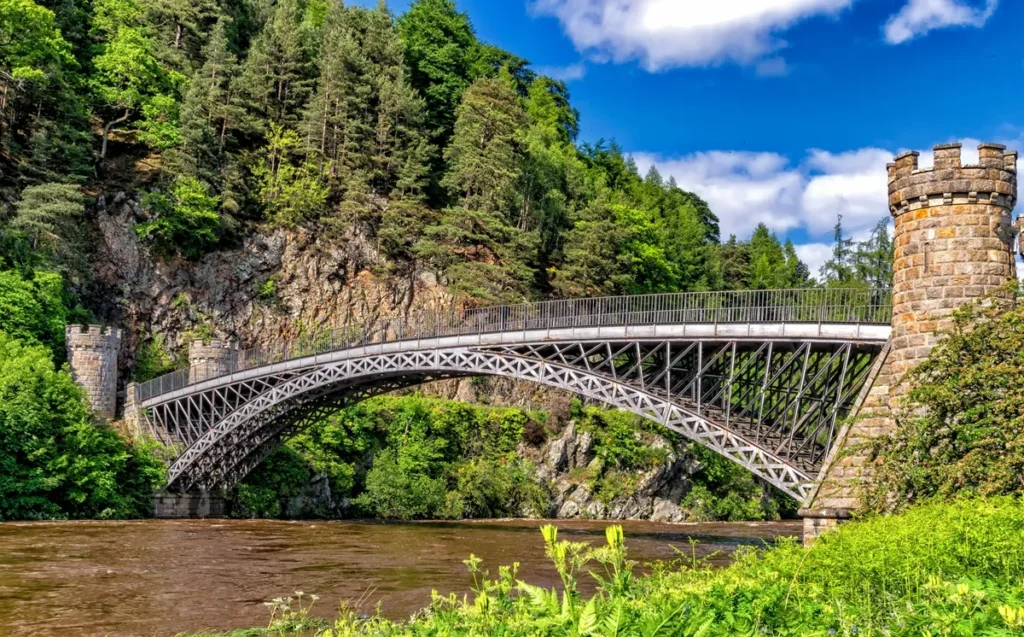
 Copyright: Torsten Kellermann
Summer is when Germany truly comes alive. The locals don’t take the sun for granted. When the temperature hits 25°C (77°F), everyone heads for the nearest body of water.
June: The Longest Days
June offers the most daylight. In the north, like Hamburg or the island of Rügen, it stays light until nearly 10:30 PM. This is a massive advantage for trailer travelers. You can drive longer, set up camp in daylight, and enjoy long evenings outside your rig without needing a flashlight.
The crowds are starting to build, but school is usually still in session for most of the country until late June or July. This is the window to visit popular spots like the Black Forest before the mass migration begins.
July: The Peak of the Heat
July is hot. Expect averages around 24 to 30°C (75 to 86°F), but heatwaves frequently push the mercury past 35°C (95°F). Humidity can be high in the south, leading to massive evening thunderstorms that clear the air.
If you are in a trailer, you need a plan for the heat. Most German trailers and campers do not have air conditioning as a standard feature. You will want to park under trees and keep your shades pulled during the day. Head for the Baltic or North Sea coasts in July for the sea breeze, or climb higher into the Alps to find cooler air.
August: The Social Peak
August is the month of vacations. Half of Germany moves to the coast or the mountains. If you haven’t booked your campsites by March, you will be struggling to find a spot in August.
The vibe is very social. Every village seems to have a “Schützenfest” (marksmen’s festival) or a local fair. The water in the lakes is finally warm enough for swimming. It’s the perfect time for the “Seenplatte” in Mecklenburg-Vorpommern, an area with over a thousand lakes that is perfect for slow-paced road tripping.
Autumn in Germany: Golden Vines and Giant Steins
 Copyright: Craig Adderley
Many seasoned travelers will tell you this is the absolute best time to visit. The air is crisp, the light is golden, and the country smells like woodsmoke and fermented grapes.
September: The Festival Month
September is often “Altweibersommer” (Indian Summer), dry, sunny, and perfect. The mornings are cool, but the afternoons are warm enough for a t-shirt.
The elephant in the room is Oktoberfest. In 2026, it runs from late September into early October. Munich will be at capacity. If you aren’t there for the beer, we suggest staying far away from Upper Bavaria during these two weeks. Prices for everything within a 100-mile radius spike. Instead, head to the Mosel Valley. The wine harvest is starting, and the hillsides are turning a brilliant yellow.
October: The Harvest Season
October starts to get chilly, especially at night. Expect temperatures to hover between 10°C and 16°C (50 to 61°F). This is the time for the “Federweißer”, new wine that is still fermenting. You drink it with “Zwiebelkuchen” (onion cake).
For hikers, October is unbeatable. The mosquitoes are gone, the air is clear, and the ground is dry. The foliage in the Harz Mountains or the Saxon Switzerland region is stunning. As a road tripper, you’ll notice the crowds thinning out significantly by the second half of the month.
Winter in Germany: Cozy Corners and Cold Coasts
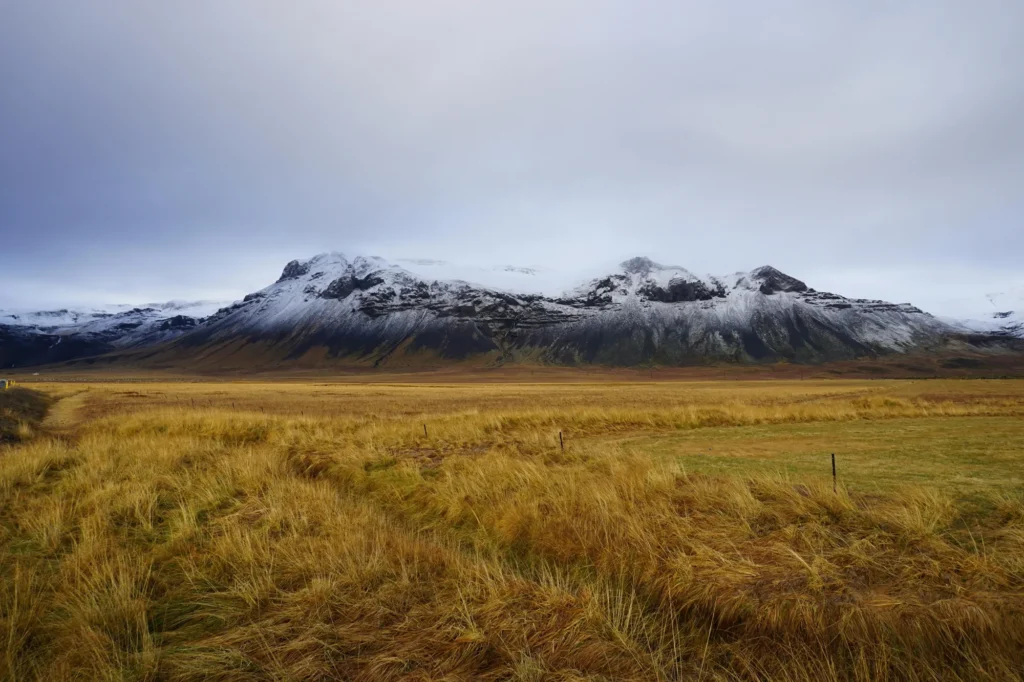
 Copyright: Magda Ehlers
If you don’t mind the cold and the dark, winter in Germany has a specific kind of magic. However, it requires the most preparation for anyone living out of a trailer.
November: The Gray Lull
November is the hardest month for travel in Germany. It is gray, drizzly, and the sun sets at 4:30 PM. Many tourist attractions and campsites close for the season. If you are on the road, use this time for city stays. Berlin, Hamburg, and Leipzig have great indoor scenes, and you’ll have the galleries to yourself.
December: The Month of Lights
December changes everything. The Christmas Markets (Weihnachtsmärkte) open in the last week of November. Suddenly, the dark evenings are filled with the scent of roasted almonds and Glühwein (mulled wine).
If you are road tripping, plan your route around the smaller, more traditional markets. Everyone goes to Nuremberg, but the market in the Ravenna Gorge in the Black Forest is situated under a high stone viaduct and is much more atmospheric. Be aware that many campsites that stay open for winter will be full during the weeks leading up to Christmas.
January and February: The True Winter
January and February are for the hardy. It is cold. Temperatures sit around -2°C to 4°C (28 to 39°F). In the north, it’s a wet cold that gets into your bones, in the south, you get proper snow.
This is the best time for a winter camping trip if you are equipped for it. Waking up in a trailer surrounded by a foot of fresh snow in the Bavarian Forest is an experience you won’t forget. Just make sure you have enough propane to keep the heater running 24/7.
Regional Weather and Timing Considerations
Germany’s geography is varied, which means the “best time” shifts depending on where you steer your rig.
The Northern Plains and Coastlines
The north is dominated by the sea. This means the weather is more temperate but windier.
- Best Time: June to September.
- Avoid: November to February unless you love storms and empty, desolate beaches.
- Trailer Tip: The wind on the dikes can be intense. If you are towing a high profile trailer, keep a firm grip on the wheel when crossing bridges in the north.
The Central Uplands and Forests
Areas like the Eifel, the Rhön, and the Thuringian Forest have a continental climate.
- Best Time: May for greenery or October for the fall colors.
- The Vibe: These areas are less touristy than the south. You can find quiet roads and plenty of space even in the height of summer.
The Southern Alps and Foothills
Bavaria and Baden-Württemberg have the most dramatic weather.
- Best Time: Late spring and early autumn.
- The Summer Factor: July and August can be incredibly humid and prone to sudden, violent hailstorms. We’ve seen hailstones the size of golf balls dent trailer roofs in the Allgäu region.
- The Winter Factor: This is the only place in Germany where you are almost guaranteed a white winter.
The Logistics of Traveling by Trailer in Different Seasons
Road tripping with a trailer in Germany is a distinct experience. The infrastructure is excellent, but the rules are strict.
Booking Your Pit Stops
In the “low” seasons (March to May and October to November), you can generally wing it. You can show up at a campsite at 5:00 PM and find a spot. In the “high” season (June to August), this is a recipe for disaster.
Germans love to plan. Most families book their summer spots a year in advance. If you want a pitch at a popular site on the shores of Lake Constance in July, you need to book early. If you prefer flexibility, look for “Stellplätze.” These are simpler parking areas for campers and trailers. They often don’t allow reservations, it’s first-come, first-served.
Navigating the Autobahn and Rural Roads
- Speed Limits: Remember, if you are towing, you are limited to 80 km/h (50 mph) on the Autobahn unless your rig has a specific “Tempo 100” sticker.
- Sunday Driving: In Germany, heavy trucks (over 7.5 tons) are banned from the Autobahn on Sundays. This makes Sunday the absolute best day for a long distance tow. The roads are much quieter and less stressful.
- Winter Tires: If you travel between October and April, your tow vehicle must have winter tires (marked with the Alpine symbol). It is not just a suggestion, it is the law.
Waste, Water, and Electricity Needs
Most German campsites use “CEE” blue plugs for electricity. Make sure you have the right adapter. In the winter, you will go through propane (Gas) much faster than you think. A standard 11kg bottle might only last 3 or 4 days if the heater is running constantly. Most campsites offer a bottle exchange service, but check ahead to ensure they carry the type you use.
Cultural Events to Plan Your Trip Around in 2026
 Copyrights: Manuel Joseph
If you want your road trip to coincide with some local culture, keep these 2026 dates in mind.
- Karneval (February 12 to 17, 2026): This is massive in the Rhineland (Cologne, Düsseldorf, Mainz). The cities turn into one giant costume party. It is loud, messy, and brilliant.
- Walpurgisnacht (April 30, 2026): Head to the Harz Mountains. Locals dress as witches and devils to celebrate the arrival of spring with massive bonfires. It’s a bit weird, very traditional, and great fun.
- Wacken Open Air (Late July/Early August 2026): The world’s biggest heavy metal festival takes place in a tiny village in the north. If you are on the road in Schleswig-Holstein during this time, expect thousands of black-shirted fans and a lot of mud.
- German Unity Day (October 3, 2026): This is a national holiday. There are usually big festivals in the state capitals. Note that almost all grocery stores and shops will be closed on this day.
Practical Tips for 2026 Travelers
Traveling in Germany is becoming more digital, but it still has its quirks.
- Cash is Still King: While big cities and supermarkets take cards, many small rural gas stations or local “Gasthofs” (inns) will only take cash. Always keep at least €100 in your wallet for emergencies.
- The Sunday Shutdown: Almost everything closes on Sunday. Grocery stores, pharmacies, and malls are shut. The only places you can find food are gas stations, train stations, or restaurants. Plan your trailer’s pantry accordingly.
- Quiet Hours (Ruhezeit): Most campsites have a strict “no driving” policy between 1:00 PM and 3:00 PM and after 10:00 PM. If you show up during the afternoon nap, you might find the gate locked.
- Environmental Zones: Many German cities require an “Umweltzone” sticker on your windshield to enter. You can get these at any TÜV station for a few euros. Don’t risk the fine, they check frequently.
Final Thoughts on Timing Your Visit
If we had to hand you a set of keys and tell you when to leave, we would say late May or early September.
May gives you the “newness” of the year. The days are stretching out, the air is clean, and the country is vibrant. You can sit outside your trailer with a beer at 9:00 PM and feel like the whole summer is ahead of you.
September gives you the “harvest” feel. It’s the time of deep colors, rich food, and the best hiking weather you’ll ever experience. The frenzy of the summer vacationers has died down, and the landscape feels more peaceful.
Germany isn’t a place you visit just once. Each season offers a completely different version of the country. Whether you are chasing the summer sun on the Baltic coast or the winter lights of a mountain village, the key is to be prepared for the weather and to embrace the local pace of life.