Forget the glossy resort brochures. If you’re throwing your gear into a camper van or renting a 4×4 to drive down the Thai peninsula, you want the real deal. Thailand’s coastline isn’t just a single postcard; it’s a massive, diverse stretch of sand, limestone, and jungle.
Whether you’re looking to string up a hammock out of the back of your truck, scale a sheer rock face, or dive into a chaotic full-moon party, finding the right spot takes a little insider knowledge. Here is your definitive guide to the best beaches in Thailand and exactly what kind of traveler they suit best.
Top Beaches in Thailand: What They Are Best For
 World Class Landscape Photographers Group (Robert Krein)
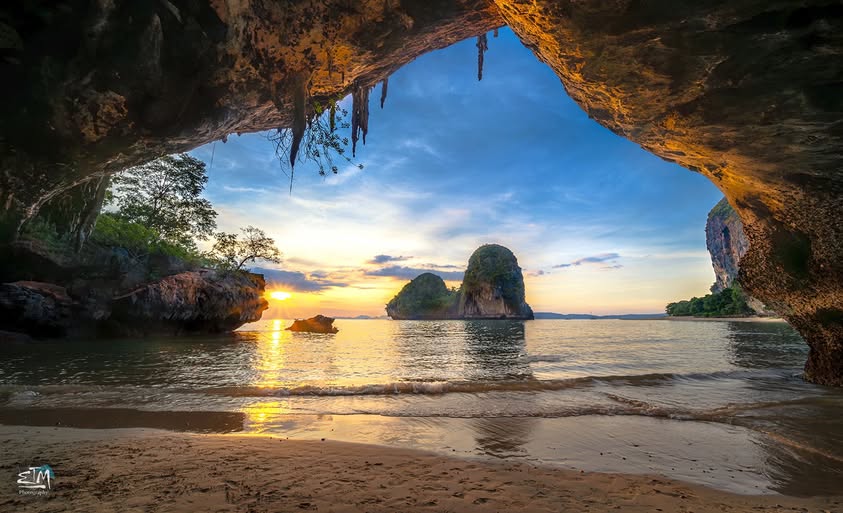
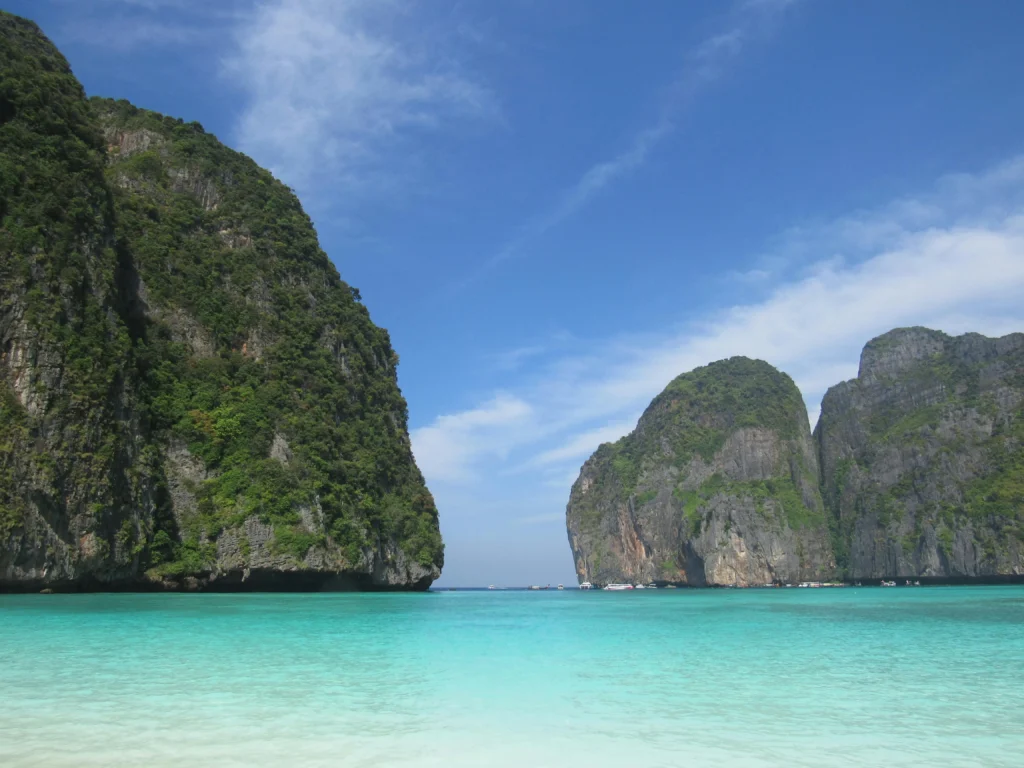
Phra Nang Cave Beach, Krabi
- Best for: Rock climbing and dramatic limestone views.
- The Vibe: Accessible only by longtail boat, this spot is flanked by massive stalactites. It’s a literal playground if you travel with carabiners and climbing shoes. You can scale sheer cliff faces right above the Andaman Sea. Don’t miss the Princess Cave shrine, where local fishermen leave wooden carved offerings for safe passage. Go early before 8 AM to avoid the massive crowds.
 From pexels
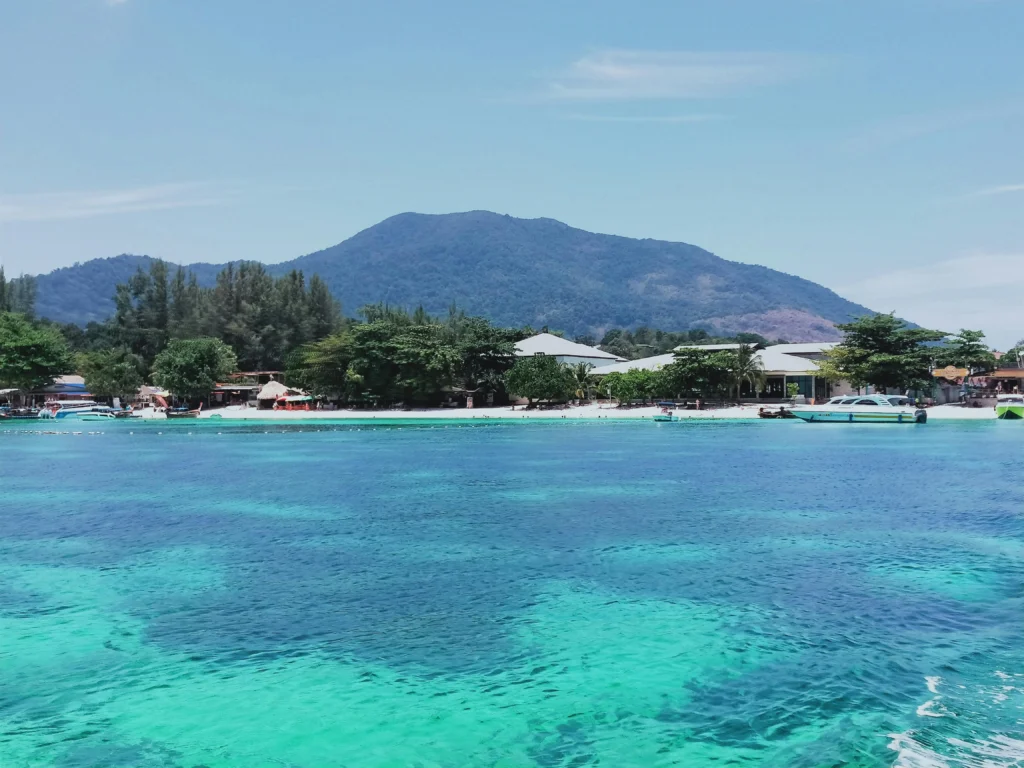
Maya Bay, Koh Phi Phi Leh
- Best for: A cinematic, larger-than-life experience.
- The Vibe: Yes, it’s the famous movie location. The government heavily restricts swimming to protect recovering coral reefs, but walking the powdery white sand is iconic. You get here via a boardwalk from Loh Samah Bay. The towering green cliffs create a natural amphitheater around the shallow turquoise water. Book a private sunrise boat to beat the heavy midday rush.
 From Pixels
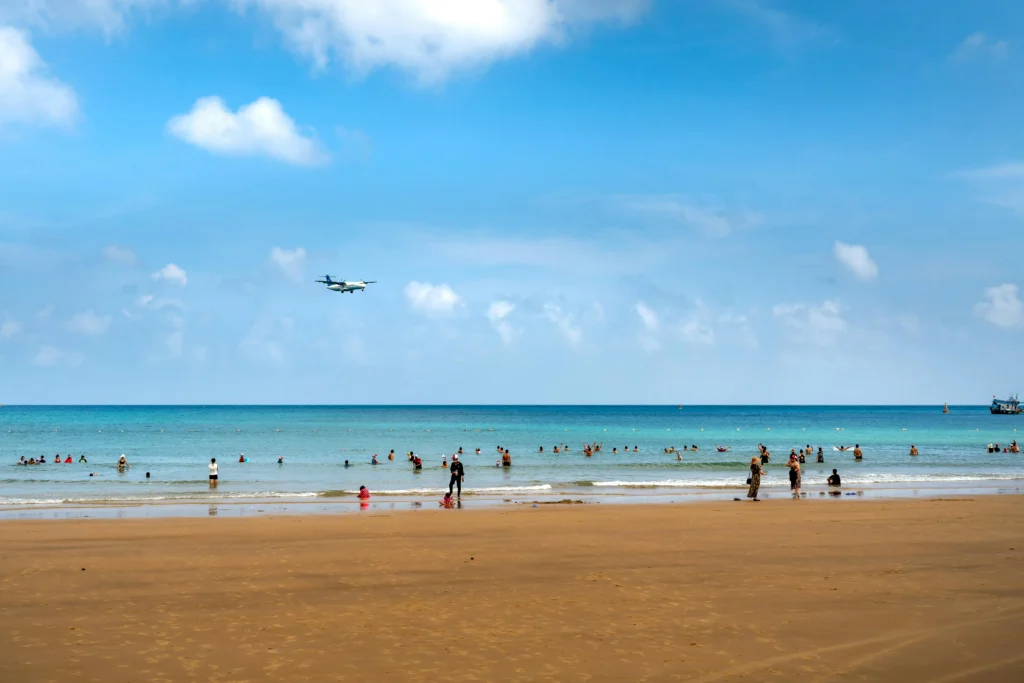
Sunrise Beach, Koh Lipe
- Best for: Scuba diving and snorkeling right off the shore.
- The Vibe: Down near the Malaysian border, Koh Lipe feels incredibly remote. Leave the camper parked on the mainland. The water here is crystal-clear, dropping off into shallow reefs teeming with marine life just a few feet from the sand. You can literally roll out of your hammock, strap on a mask, and float over vibrant coral gardens all afternoon.
 From Pixels
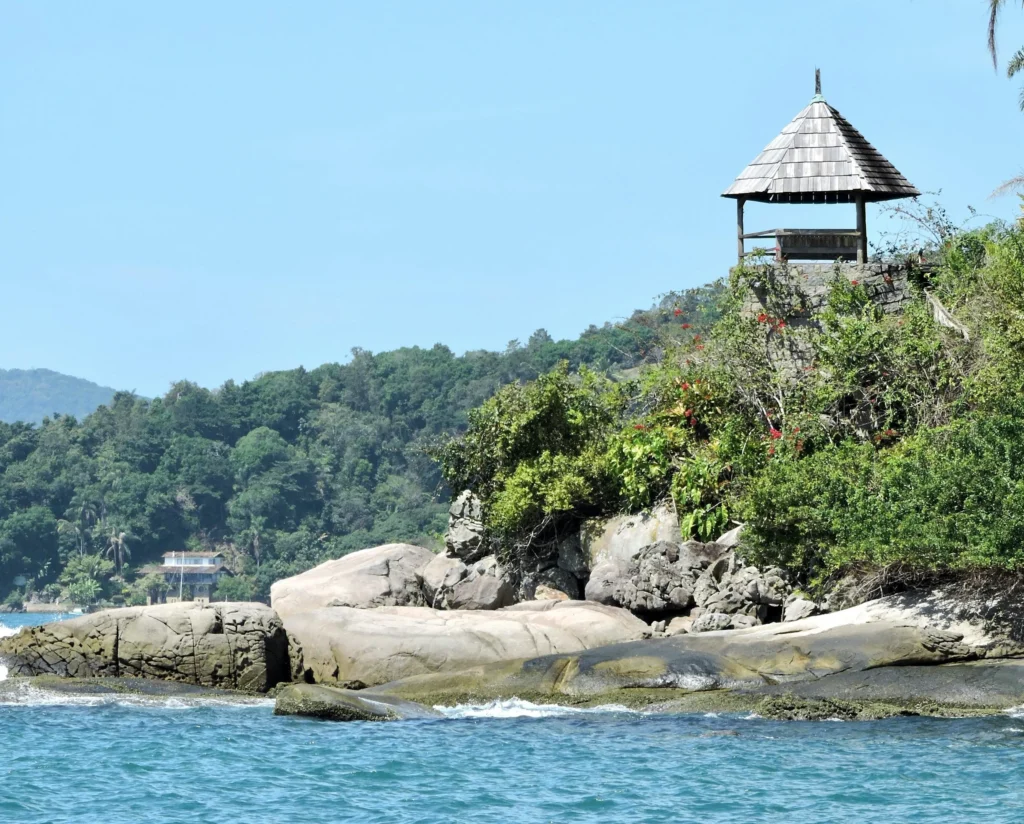
Mai Khao Beach, Phuket
- Best for: Escaping the massive Phuket crowds.
- The Vibe: Most of Phuket is heavily developed, but this 11-kilometer stretch in the north falls within a protected national park. You can walk for miles without seeing another towel. It is completely raw and undeveloped, making it perfect for quiet reflection and watching sea turtles during nesting season. Bring your own supplies, as beachfront bars are non-existent here.
 From Pixels
Haad Rin, Koh Phangan
- Best for: Full-moon parties and high-voltage, late-night energy.
- The Vibe: If you want to dance until sunrise with thousands of other travelers, this is ground zero. Fire spinners, neon paint, and heavy bass lines dominate the night. During the day, however, the wide, soft-sand beach is surprisingly pristine. It is the perfect place to sleep off a long night under the shade of a palm tree.
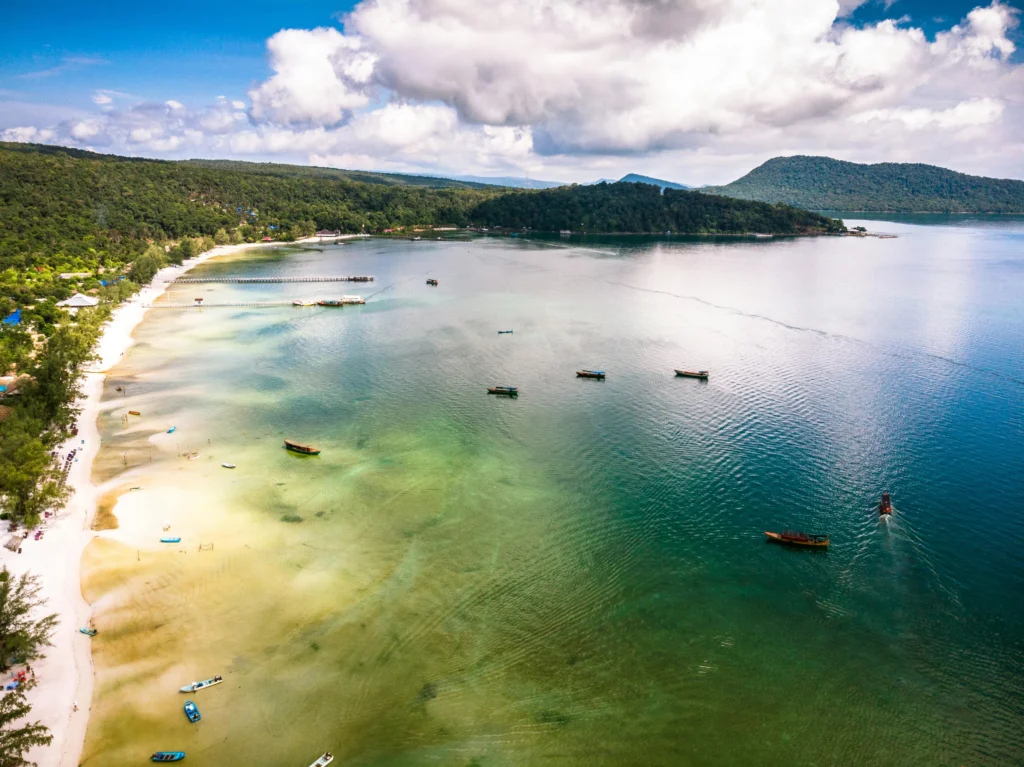 From Pixels
Koh Yao Noi Beaches
- Best for: Watching fishers and finding absolute, uninterrupted peace.
- The Vibe: Sitting right between Phuket and Krabi, this island remains fiercely traditional. The beaches aren’t massive white-sand expanses. Instead, they offer an authentic look at local Thai fishing communities. Rent a scooter, navigate the dirt roads, and watch the wooden longtail boats pull in the daily catch. It is slow, quiet, and deeply cultural.
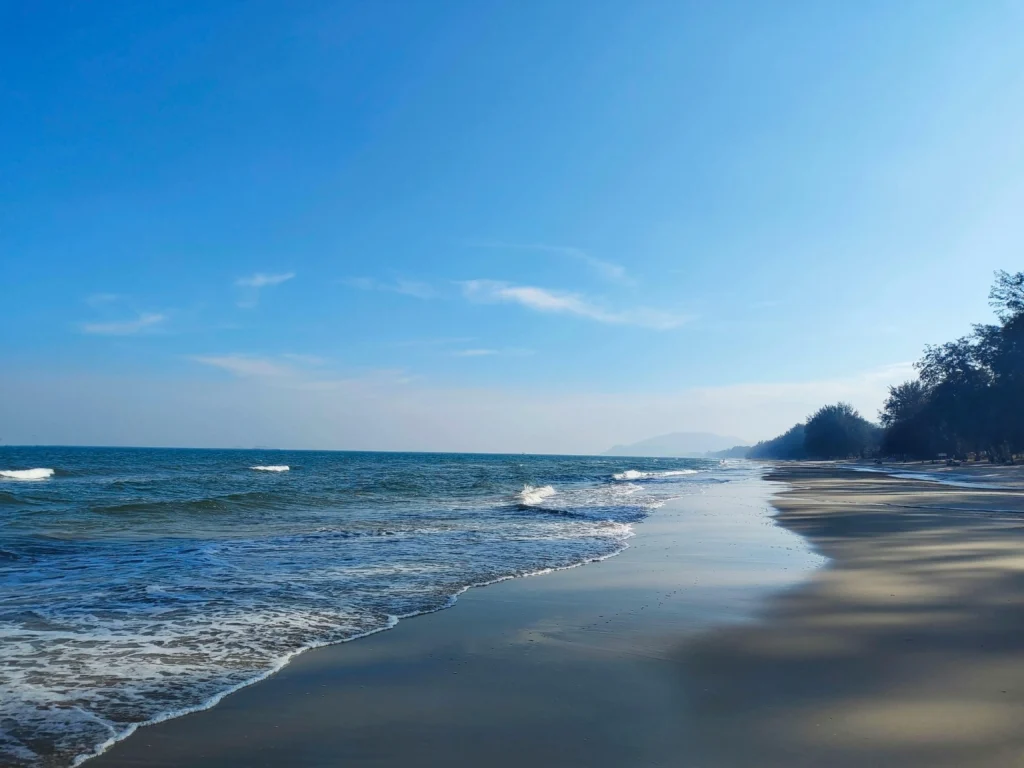 From Pixels
Hua Hin Beach, Prachuap Khiri Khan
- Best for: Finding vacationing Thais and easy road access from Bangkok.
- The Vibe: A straight shot south from the capital, this is where Bangkok locals go for the weekend. The highway drive is incredibly easy. The beach is wide, family-friendly, and packed with incredible local seafood carts serving fresh crab right on the sand. It mixes royal history with a very laid-back, local weekend energy.
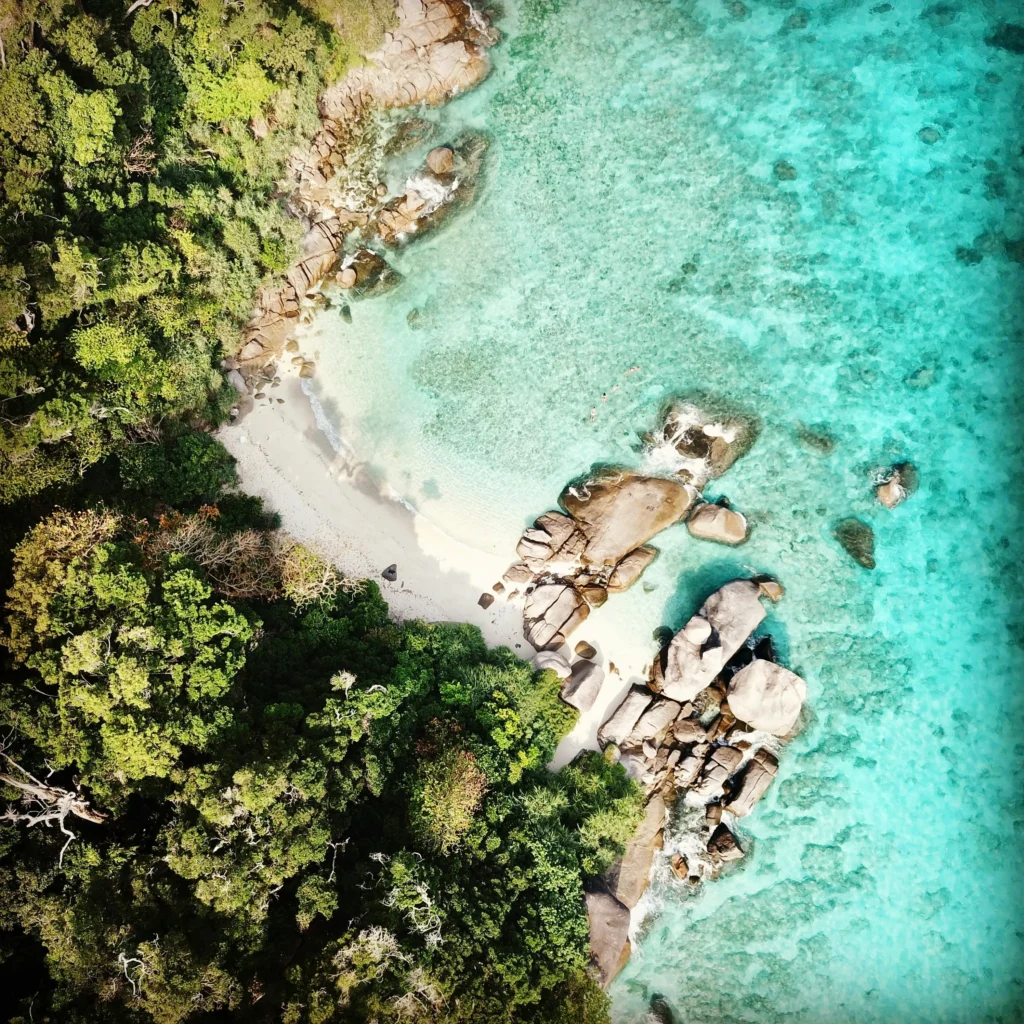 From Pixels
Ao Kuak (Donald Duck Bay), Similan Islands
- Best for: Little-visited islands and pure, off-grid seclusion.
- The Vibe: Protected as a national park, the Similans require a boat trip from Khao Lak. The massive boulders and untouched coral reefs make it a bucket-list spot for serious ocean lovers looking to disconnect. The water visibility here is unmatched anywhere else in the country. It is a strictly controlled environment, preserving its raw appeal.
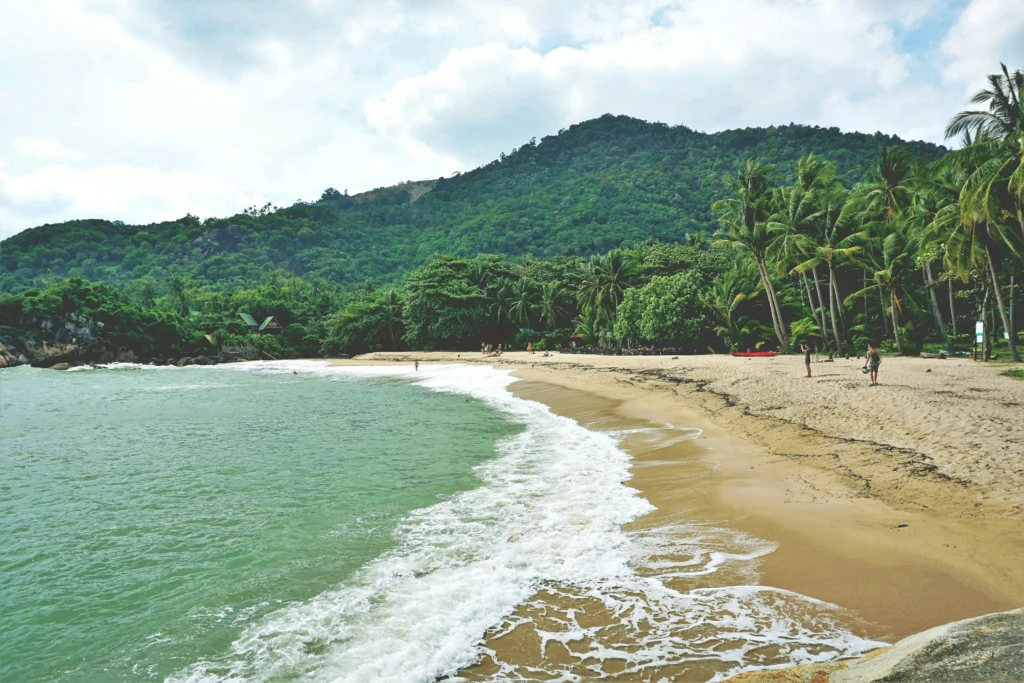 From Pixels
Bottle Beach, Koh Phangan
- Best for: Pure seclusion and digital detoxing.
- The Vibe: Reaching this northern cove usually requires a bumpy boat ride or a tough, sweaty jungle trek. That physical barrier to entry keeps the masses out. You are left with a serene, quiet crescent of sand dedicated entirely to a few committed travelers. There is zero cell service, meaning you can finally unplug and read a book in peace.
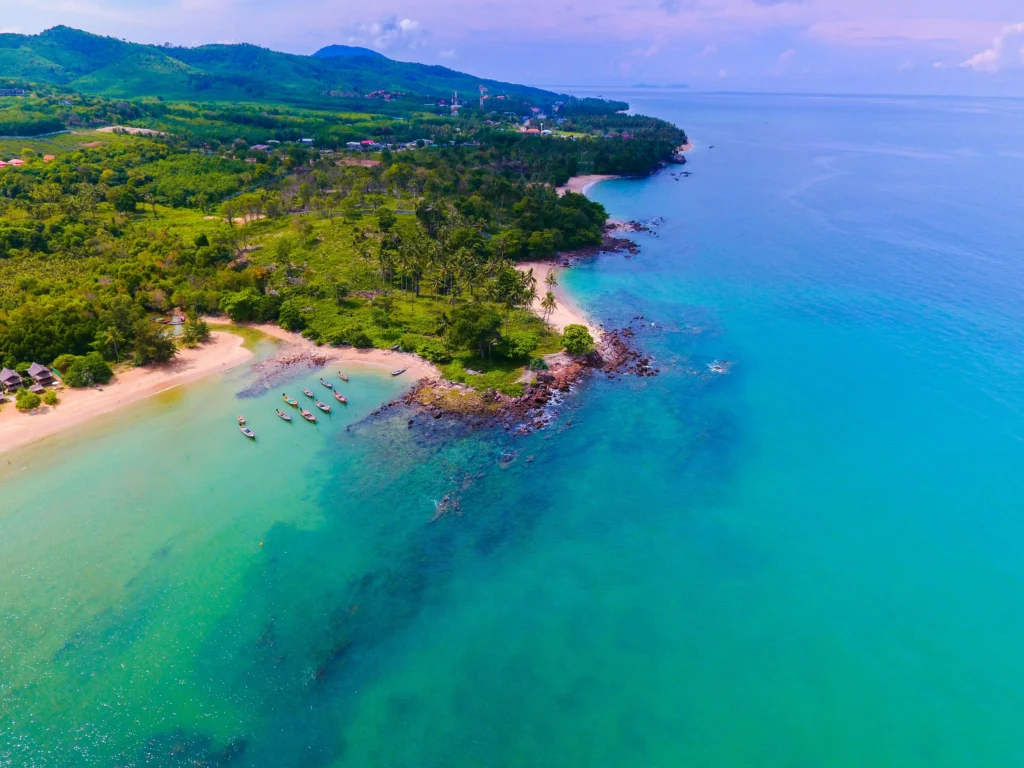 From Pixels
Klong Dao Beach, Koh Lanta
- Best for: Slow travel and mesmerizing, fiery sunsets.
- The Vibe: Koh Lanta has a very chilled-out, almost bohemian atmosphere. The sand is incredibly soft, the water is shallow, and the beachfront bars are built for lingering all evening. Grab a cold drink, sit on a bamboo mat, and watch the sky explode with color. It is the ultimate end-of-the-road relaxation spot.
Best Time to Visit Beaches in Thailand
Timing your road trip or island hop is crucial for a successful trip.
- Dry Season (November to April): This is the prime window. The skies are clear, the humidity is manageable, and the ocean is flat and safe for swimming.
- Monsoon Season (May to October): The west coast (Phuket, Krabi) gets heavy rain and rough seas. However, the Gulf of Thailand (Koh Samui, Koh Phangan) often stays drier during July and August, making it the smarter choice for summer travel.
If you are navigating Thailand in a rental truck or camper van, driving the southern peninsula down Highway 4 is an adventure in itself. The roads are generally well-maintained, offering sweeping coastal views and plenty of impromptu roadside food stalls.
Just keep in mind that getting your vehicle to the islands requires roll-on/roll-off ferries. Always book your slots for popular spots like Koh Samui or Koh Chang well in advance during peak holiday months to avoid sitting on the mainland docks for hours.