- Munnar: The Green Labyrinth
- Alappuzha (Alleppey): The Water World
- Wayanad: The Wild North
- Varkala: The Cliffside Vibe
- Fort Kochi: The Cultural Melting Pot
- Thekkady (Periyar): Into the Jungle
- Kumarakom: The Quiet Backwaters
- Vagamon: The Pine Forests
- Bekal: The Northern Fort
- Munroe Island: The Hidden Canal Life
- Practical Road Trip Guide for Kerala
- Final Thoughts
You can smell Kerala before you see it.
If you’re driving in from the north or flying into Kochi, the first thing that hits you is the air. It’s heavy with moisture, smelling faintly of burning coconut shells, wet earth, and frying curry leaves. They call it “God’s Own Country,” a slogan that usually feels like marketing fluff until you’re actually there, standing on a cliff edge in Varkala or navigating a hairpin bend in Wayanad. Then, you get it.
I’ve driven thousands of miles across India, but Kerala hits different. It’s green in a way that feels aggressive—like the jungle is constantly trying to reclaim the pavement. For road trippers, it’s a paradise of winding tarmac, though it comes with a warning: the roads are narrow, the bus drivers are fearless, and the food will ruin you for anywhere else.
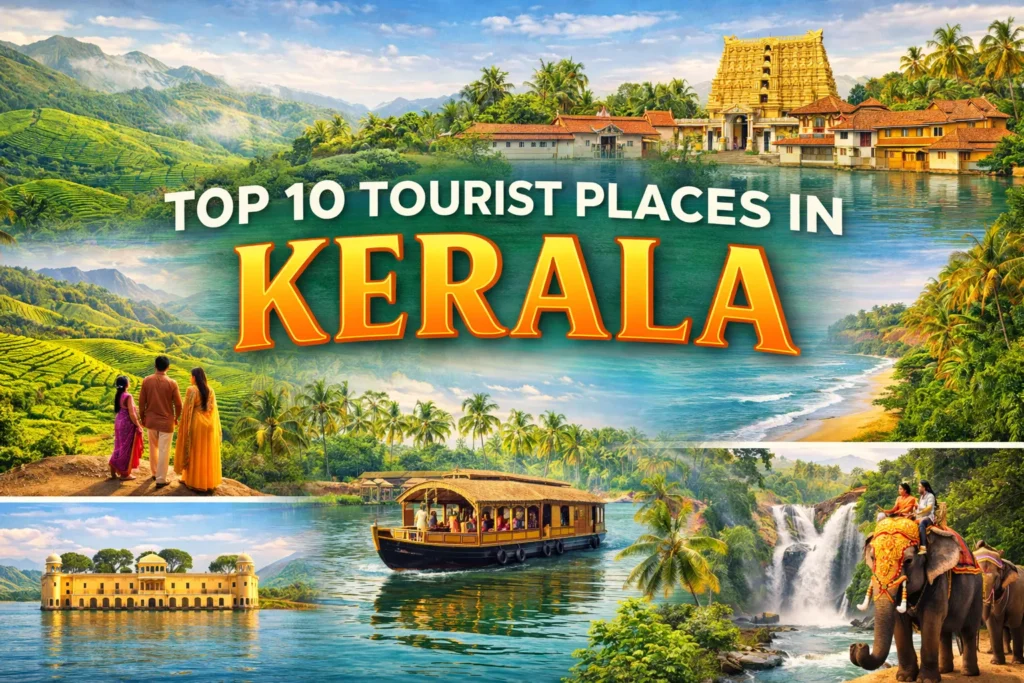
If you are planning a trip—whether you’re renting an SUV or just backpacking through—here is my honest, on-the-ground breakdown of the top 10 places you cannot miss, written from the perspective of someone who has actually been behind the wheel.
-
Munnar: The Green Labyrinth

Munnar isn’t just about tea; it’s about the altitude. As you climb from the humidity of the coast up into the Western Ghats, the temperature drops, and the chaotic noise of the plains fades into a quiet mist.
Why it’s on the list:
It is the quintessential hill station. You’ll see rolling hills covered in manicured tea bushes that look like a green carpet draped over giants. But beyond the postcard views, it’s a place for serious driving enthusiasts.
The Journalist’s Take:
Skip the main town. It’s crowded and loud. The real magic is in the outskirts. Drive towards the Top Station or the Gap Road (checked for landslides first—it’s prone to them during monsoon). The Gap Road offers views where the clouds are literally below your tires.
Road Trip Note:
The roads here are excellent but curvaceous. If you get carsick, pack ginger chews. If you love driving, the Lockhart Gap stretch is one of the finest driving roads in South India—smooth tarmac cutting through sheer rock and tea gardens.
Don’t Miss:
- Kolukkumalai Sunrise: You need a 4×4 Jeep for this. It’s the world’s highest organic tea plantation. The sunrise here, watching the sun crack over the jagged peaks of Tamil Nadu below, is worth the 4:00 AM wake-up call.
- Tea Museum: Sounds boring, but seeing how the leaf goes from bush to cup is actually fascinating.
-
Alappuzha (Alleppey): The Water World
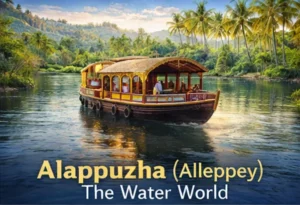
Everyone tells you to go to Alleppey for the houseboats. And yes, they are iconic. But Alleppey is more than just floating hotels; it’s a civilization built on water.
Why it’s on the list:
This is the Venice of the East, but with more palm trees and better fish curry. The backwaters are a vast network of canals, lakes, and rivers that define life here. Children take boats to school; postmen deliver mail by canoe.
The Journalist’s Take:
Houseboats are great, but they can get stuck in “traffic jams” on the water because they all follow the same route. For a more authentic look at life here, rent a smaller shikara (a roofed canoe) or a kayak. You can navigate the narrow canals where the massive houseboats can’t go. That’s where you see the real village life—women washing clothes, toddy tappers climbing trees, and ducks paddling in formation.
Food Stop:
You have to visit a Toddy Shop. These are local pubs serving palm wine (toddy). Even if you don’t drink, go for the food. The New York City Toddy Shop in Champakulam is legendary. Order the Karimeen Pollichathu (Pearl Spot fish marinated in spices and grilled in a banana leaf) or the Duck Roast. It’s spicy, oily, and incredible.
Road Trip Note:
Parking in Alleppey town can be a nightmare. If you’ve booked a houseboat, ask them specifically where to park your vehicle safely overnight.
-
Wayanad: The Wild North
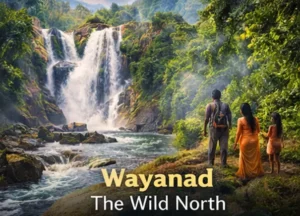
Wayanad feels older and wilder than Munnar. Located in northern Kerala, it’s a mix of deep forests, spice plantations, and tribal history.
Why it’s on the list:
It’s the best spot for nature lovers who want a mix of hiking, history, and wildlife without the intense commercialization of other hill stations.
The Journalist’s Take:
The drive up the Thamarassery Churam is an event in itself. It’s a mountain pass with nine hairpin bends. At the top, stop at the viewpoint to see the road coiling like a snake below you. Watch out for the monkeys—they are organized crime syndicates and will steal your snacks.
Don’t Miss:
- Edakkal Caves: You have to hike up a steep hill to get here. Inside, you’ll find Stone Age petroglyphs (rock carvings) that are thousands of years old. It’s mind-blowing to stand where neolithic humans stood.
- Banasura Sagar Dam: It’s the largest earth dam in India. You can take a speed boat ride here, surrounded by green islands.
Where to Stay:
Look for a homestay inside a coffee plantation. Waking up to the smell of roasting coffee beans and the sound of birds is the definitive Wayanad experience.
-
Varkala: The Cliffside Vibe

Varkala is the cool younger cousin of Kovalam. It’s famous for its dramatic red cliffs that drop sheerly into the Arabian Sea.
Why it’s on the list:
It’s unique. Most beaches in Kerala are flat sandy stretches. Varkala has geological drama. The vibe here is very backpacker-friendly—lots of cafes, yoga studios, and surf schools.
The Journalist’s Take:
The “North Cliff” is where the action is. A narrow footpath runs along the edge of the cliff, lined with shops and cafes. You sit there, sipping a cold coffee, watching the sunset over the ocean.
Warning: The cliff is eroding. Be a responsible traveler. Don’t hop over the safety fences for a selfie. Stick to the path.
Road Trip Note:
Parking near the North Cliff is tight. There is a helipad area where people often park, but it fills up fast. I recommend finding accommodation a bit back from the cliff that offers private parking, then walking to the edge.
Activity:
Surfing. The waves here are beginner-friendly in the mornings. There are several surf schools on the beach (down the steep steps) that offer lessons.
-
Fort Kochi: The Cultural Melting Pot
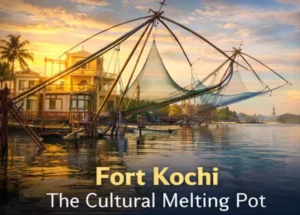
Kochi (Cochin) is the commercial hub, but Fort Kochi is its historical soul. It’s a place where time moves slower.
Why it’s on the list:
You can see the layers of history here: giant Chinese Fishing Nets, a 400-year-old Jewish Synagogue, Portuguese houses, and Dutch palaces. It’s walkable, artistic, and incredibly photogenic.
The Journalist’s Take:
This is the best place in Kerala for art lovers. If you visit during the Kochi-Muziris Biennale (usually every two years), the whole town turns into an art gallery. Even in off-years, places like Kashi Art Cafe offer great vibes and chocolate cake.
Don’t Miss:
- The Fishing Nets at Sunset: It’s a cliché photo, but you have to take it. You can pay the fishermen a small tip to let you help pull the ropes.
- Jew Town: Walk through the antique shops. The smell of ginger, cardamom, and old wood is intoxicating.
Road Trip Note:
Traffic in Ernakulam (the mainland city) is terrible. Leave your car at your hotel in Fort Kochi and use the Water Metro or the ferry to get around. It’s faster, cheaper, and way more scenic.
-
Thekkady (Periyar): Into the Jungle
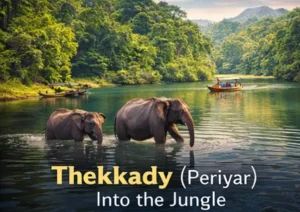
Thekkady is the gateway to the Periyar Tiger Reserve. It’s thick, dense forest bordering Tamil Nadu.
Why it’s on the list:
Wildlife. This is one of the best places in India to see wild elephants.
The Journalist’s Take:
Most tourists do the standard boat safari on Periyar Lake. It’s… fine. But it’s crowded and noisy. If you want a real experience, book the Bamboo Rafting program. It’s a full-day event where you hike into the forest with an armed guard and a tribal guide, then paddle on a bamboo raft. It’s silent, slightly scary (in a good way), and your chances of seeing animals are much higher.
Road Trip Note:
The drive from Munnar to Thekkady is stunning. You pass through spice plantations—cardamom, pepper, vanilla. Roll your windows down. The air literally smells like a spice rack.
-
Kumarakom: The Quiet Backwaters
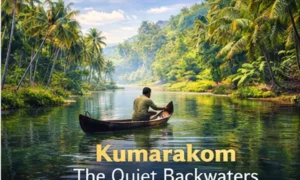
If Alleppey is the busy downtown of the backwaters, Kumarakom is the exclusive suburb.
Why it’s on the list:
It’s on the banks of Vembanad Lake, the largest lake in Kerala. It’s famous for luxury resorts and the Kumarakom Bird Sanctuary.
The Journalist’s Take:
Come here if you want to do absolutely nothing. This is the place to splurge on a resort with a pool overlooking the lake. It’s popular with honeymooners and older travelers who find the chaos of Alleppey too much.
Don’t Miss:
- Bird Sanctuary: Best visited at dawn. You can spot migratory birds, Siberian cranes, and wood beetles.
- Local Toddy: Kumarakom also has great local food shacks. Try the Kappa (tapioca) and Meen Curry (fish curry).
-
Vagamon: The Pine Forests

Vagamon is often overlooked by international tourists who rush to Munnar, but locals love it.
Why it’s on the list:
It has a very different landscape: pine forests, green meadows, and barren hills. It feels a bit like Scotland or the lower Alps in places.
The Journalist’s Take:
It’s incredibly peaceful. The Pine Forest is a great spot for a walk (though it can get busy on weekends). The Vagamon Meadows are vast rolling hills where you can just sit and watch the clouds hit the grass.
Activity:
Paragliding. Vagamon is one of the best spots in South India for paragliding. The cliffs offer a perfect launchpad, and floating over the green hills is an experience you won’t forget.
Road Trip Note:
The roads up to Vagamon can be narrow and steep. Make sure your brakes are in good condition before you attempt the climb.
-
Bekal: The Northern Fort

Located way up in the north of Kerala (Kasaragod district), Bekal is far from the standard tourist circuit.
Why it’s on the list:
Bekal Fort. It’s the largest fort in Kerala, shaped like a giant keyhole, sitting right on the beach.
The Journalist’s Take:
If you’ve seen the movie Bombay, you’ll recognize this fort from the song “Tu Hi Re.” It’s dramatic and imposing. The waves crash against the fort walls, spraying mist over the battlements.
Because it’s in the north, it sees fewer foreign tourists. The luxury resorts here are massive and often cheaper than similar quality places in the south.
Road Trip Note:
This is a long drive from Kochi (about 7-8 hours). It’s best done as part of a longer road trip heading north towards Goa or Karnataka.
-
Munroe Island: The Hidden Canal Life
This is my personal favorite recommendation for 2025-2026.
Why it’s on the list:
Munroe Island is a cluster of eight islands in the backwaters of Kollam. It is sinking (due to climate change and tidal shifts), which adds a poignant beauty to it.
The Journalist’s Take:
Forget the big houseboats. Here, the canals are so narrow that the trees form a tunnel over your head. You take a canoe tour at sunrise or sunset. The light filtering through the coconut palms is magical. You’ll see the “mangrove tunnels” which are incredibly atmospheric.
Real Talk:
The tourism infrastructure here is basic—mostly homestays. Don’t expect 5-star luxury. Expect great hospitality, home-cooked food, and silence.
Practical Road Trip Guide for Kerala
If you are taking your vehicle or renting one, here is the survival guide.
- The “Horn” Language
In the West, a horn means “I am angry.” In Kerala, a horn means “I am here.”
- Short toot: “I’m overtaking you.”
- Double toot: “Thank you” or “Move over.”
- Long blast: “I am a bus, and I am not stopping.”
Don’t get aggressive. Just use the horn to let people know where you are on blind curves.
- Road Conditions
- Highways: The NH66 is undergoing massive expansion (as of 2025/26). Expect diversions and construction dust.
- Hill Roads: Generally good tarmac, but narrow. Watch out for the “KSRTC” buses. They drive like they are in a Formula 1 race. Always give them the right of way.
- Night Driving: Avoid it. Roads often lack of streetlights, and pedestrians walking in dark clothes are common.
- Best Time to Visit
- Peak Season (Dec-Feb): Perfect weather. dry, Cool, sunny. Prices are highest.
- Shoulder Season (Sept-Nov, Mar): Good value. A bit warmer or a bit of rain.
- Monsoon (Jun-Aug): Only for the brave. It rains hard. Driving in the hills can be dangerous due to landslides (especially Munnar Gap Road). However, the Ayurvedic treatments are said to be most effective during this season, and the waterfalls are roaring.
- What to Eat (The Non-Negotiables)
- Porotta and Beef Fry: The state dish (unofficially). Flaky layered bread with spicy, dry-fried beef.
- Appam and Stew: Fermented rice pancakes with a mild coconut milk stew. Great for breakfast.
- Sadhya: The traditional vegetarian feast served on a banana leaf.
- Packing for the Road
- Mosquito Repellent: The backwaters are beautiful, but the mosquitoes are voracious.
- Umbrella: Rain anytime Take Umbrella.
- Power Bank: Power cuts happen, especially in remote homestays.
Final Thoughts
Kerala isn’t a place you “do” in a weekend. It’s a place that forces you to slow down. Whether you’re sipping tea in the misty hills of Munnar or watching a Kathakali performance in Kochi, the pace of life here is seductive.
So, load up the trunk, check your tires, and get on the road. The coconut trees are waiting.