
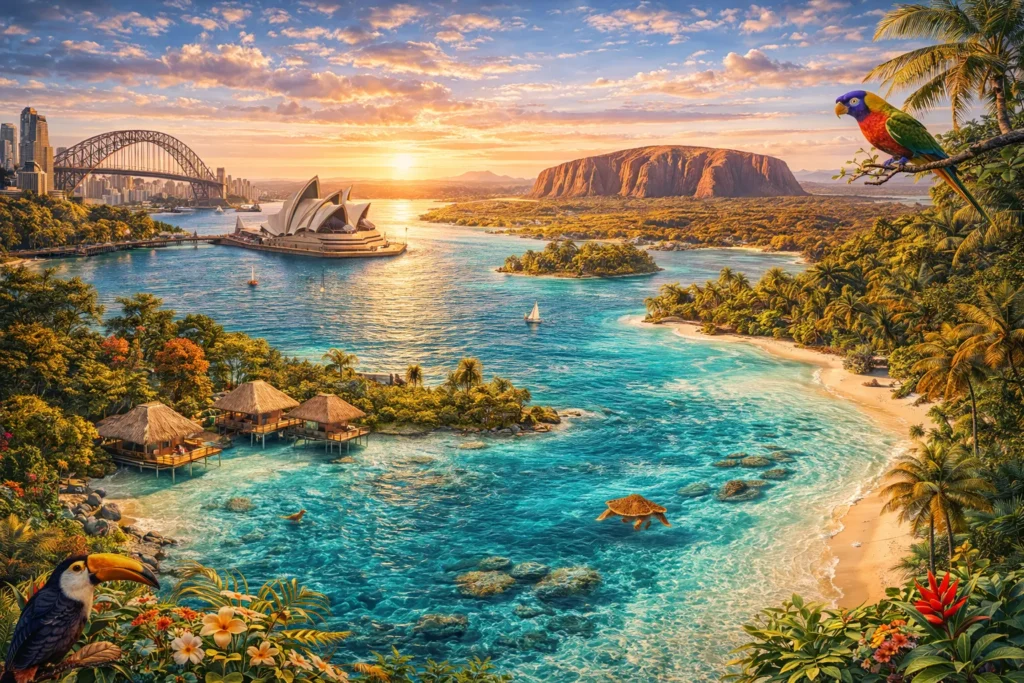
The Blue Continent: A Realist’s Guide to Oceania
Most world maps do a disservice to Oceania. They chop it in half or relegate it to the margins, leaving a vast, undefined blue void between the Americas and Asia.
This visual dismissal leads to a misunderstanding of what is actually out here.
Oceania is not just a collection of honeymoon resorts. It is a massive geopolitical and geographic reality covering one-third of the planet’s surface. It holds the world’s deepest trenches, its largest living structures, and its most linguistically diverse populations. It is a place where modern economics collide with subsistence living, where climate change is not a theory but a daily tide chart, and where the distance between neighbors is measured in days of sailing, not hours of driving.
If you are planning to travel here, you need to strip away the brochure gloss. This guide breaks down the actual geography, the fractured history, the complex cultures, and the logistical realities of moving across the "Blue Continent."
Part 1: The Geography of Isolation
Oceania is defined by water. The land is almost secondary. To understand the travel experience, you have to understand the geology that dictates it. We divide this massive region into four distinct zones, not just for convenience, but because they are geologically and culturally separate worlds.
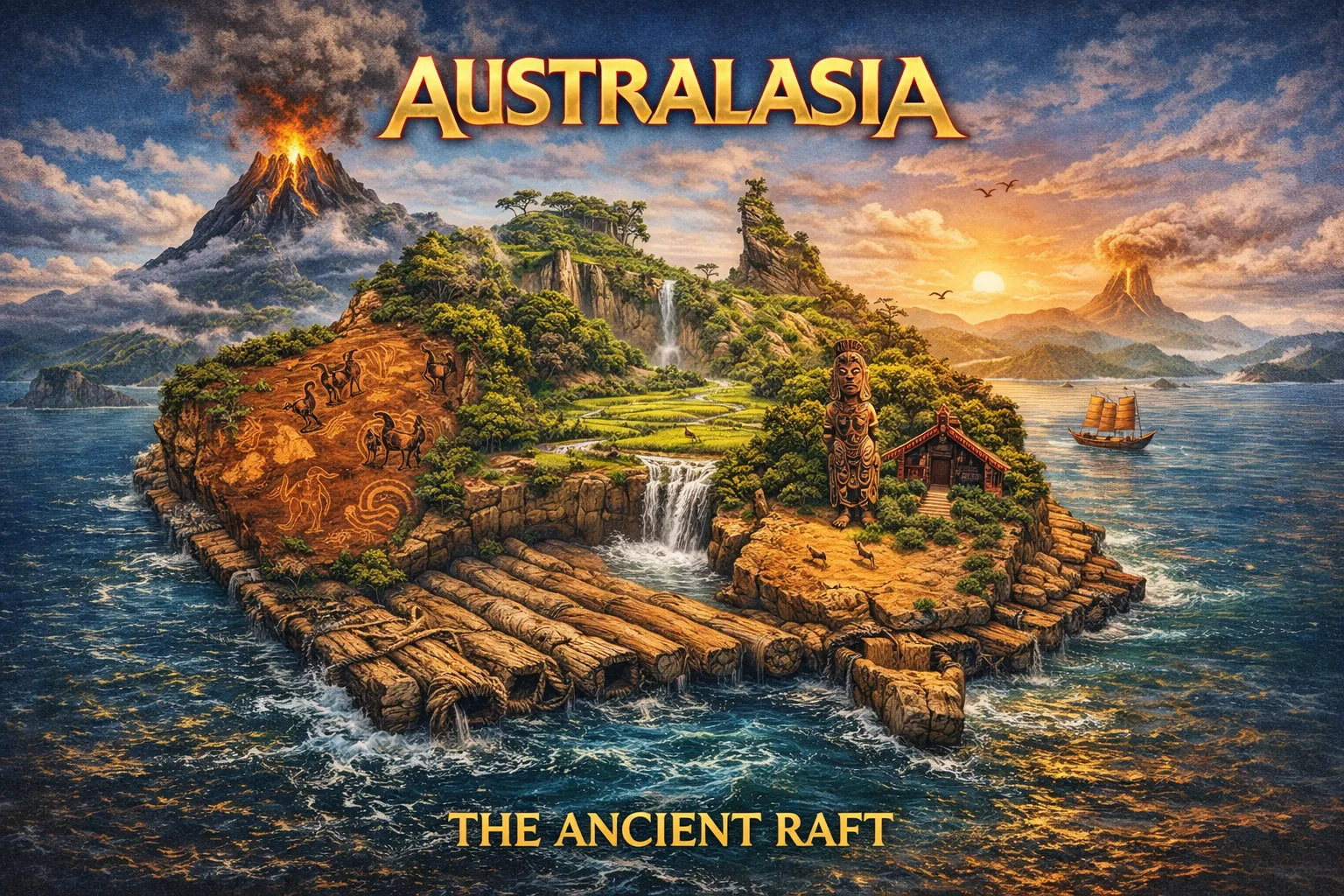
Australasia: The Ancient Raft
This is the continental anchor. Australia and New Zealand (Aotearoa) tend to get lumped together, but geologically, they are strangers.
Australia is arguably the oldest continuous landmass on earth. It is flat, geologically stable, and weathered. The soil is ancient and nutrient-poor, which has forced the flora and fauna to evolve into weird, highly efficient niches. You don’t get lush jungle everywhere; you get sclerophyll forests—hard, dry leaves that can survive fire and drought.
New Zealand is the opposite. It is the surface area of a submerged continent called Zealandia. Sitting directly on the fault line where the Pacific and Australian tectonic plates collide, the Southern Alps are thrust upward with dramatic steepness. It’s a violent geological process that isn't over yet in fact, these mountains are still rising today. The volcanoes in the North Island are still exploding. It is young, jagged, and unstable.
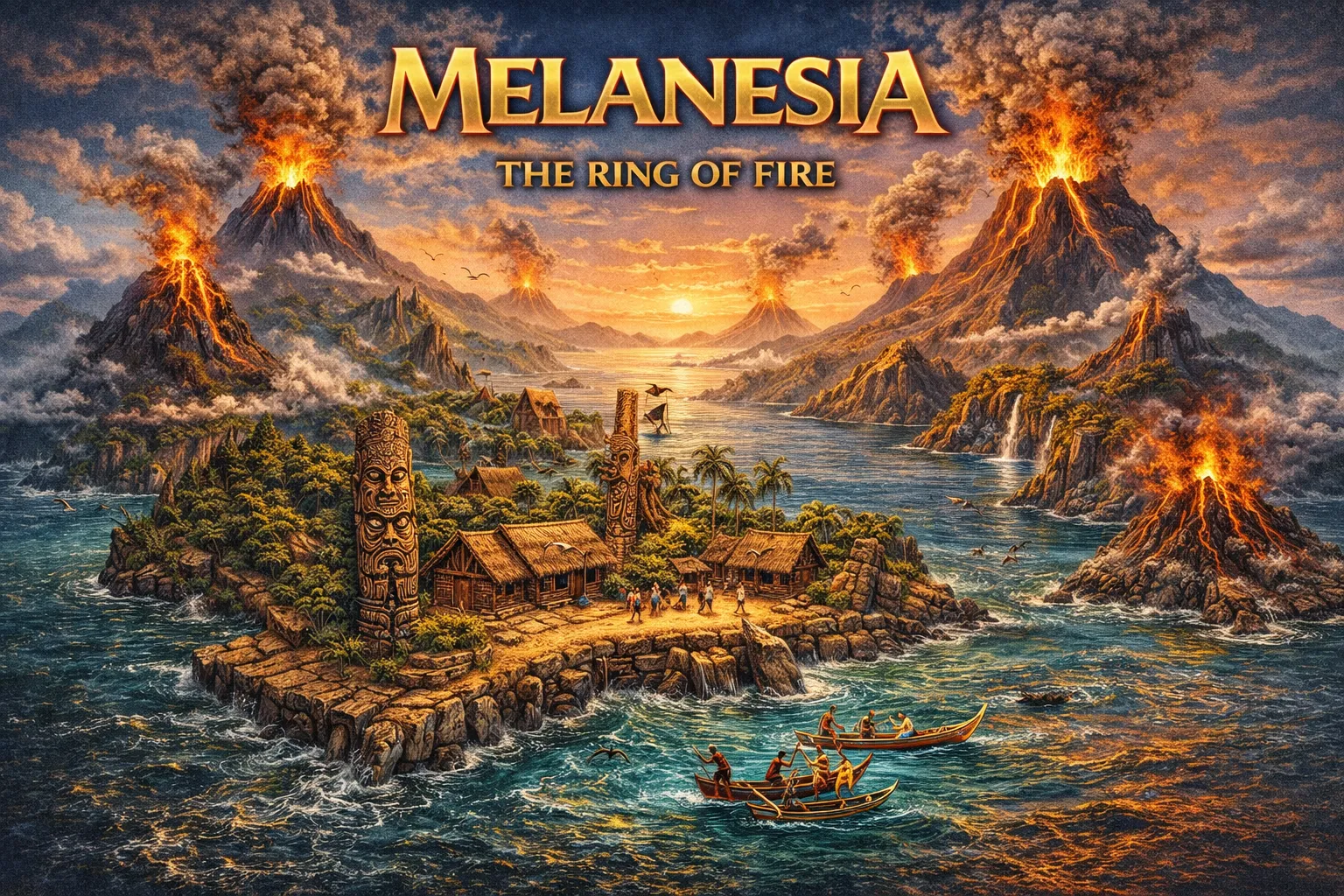
Melanesia: The Ring of Fire
Arcing north and east of Australia, Melanesia (meaning "Islands of Black People") includes Papua New Guinea, the Solomon Islands, Vanuatu, New Caledonia, and Fiji.
This is the most volatile region. It follows the Pacific Ring of Fire. The islands here are high islands—massive volcanic peaks rising steeply from the sea. They are covered in dense, impenetrable rainforests. Because of this rugged terrain, tribes living in neighboring valleys often developed completely different languages, isolated by the topography.
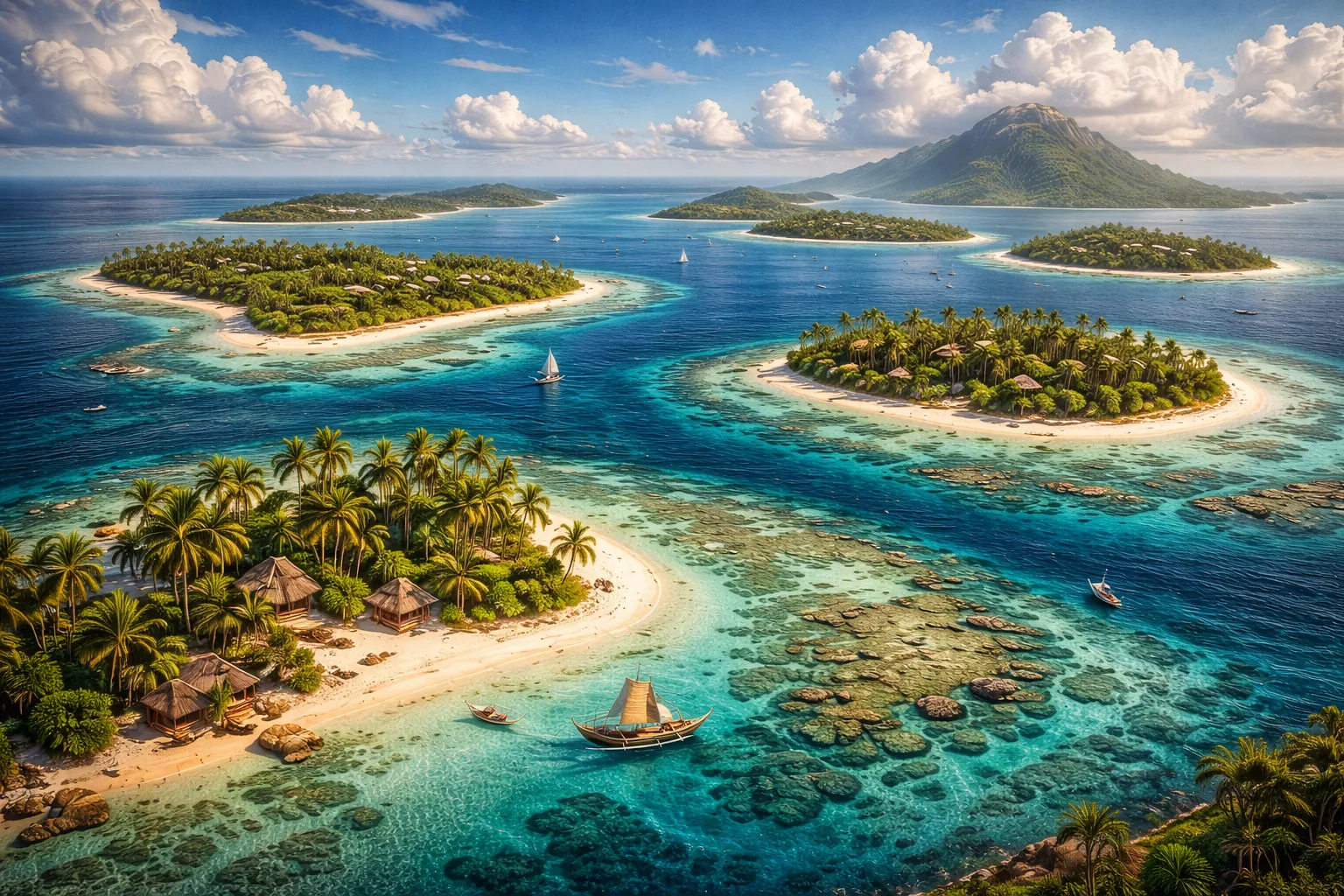
Micronesia: The Atoll Fields
North of the equator lies Micronesia ("Small Islands"). This includes Palau, Guam, the Marshall Islands, and Kiribati.
These are mostly atolls—the skeletal remains of sunken volcanoes. Coral grew around the rim of a volcano; the volcano sank, leaving a ring of coral and a central lagoon. The land here is flat, sandy, and precarious. The highest point in many of these nations is a coconut tree. This geography dictates the lifestyle: there is no soil for farming, so the culture is entirely maritime.
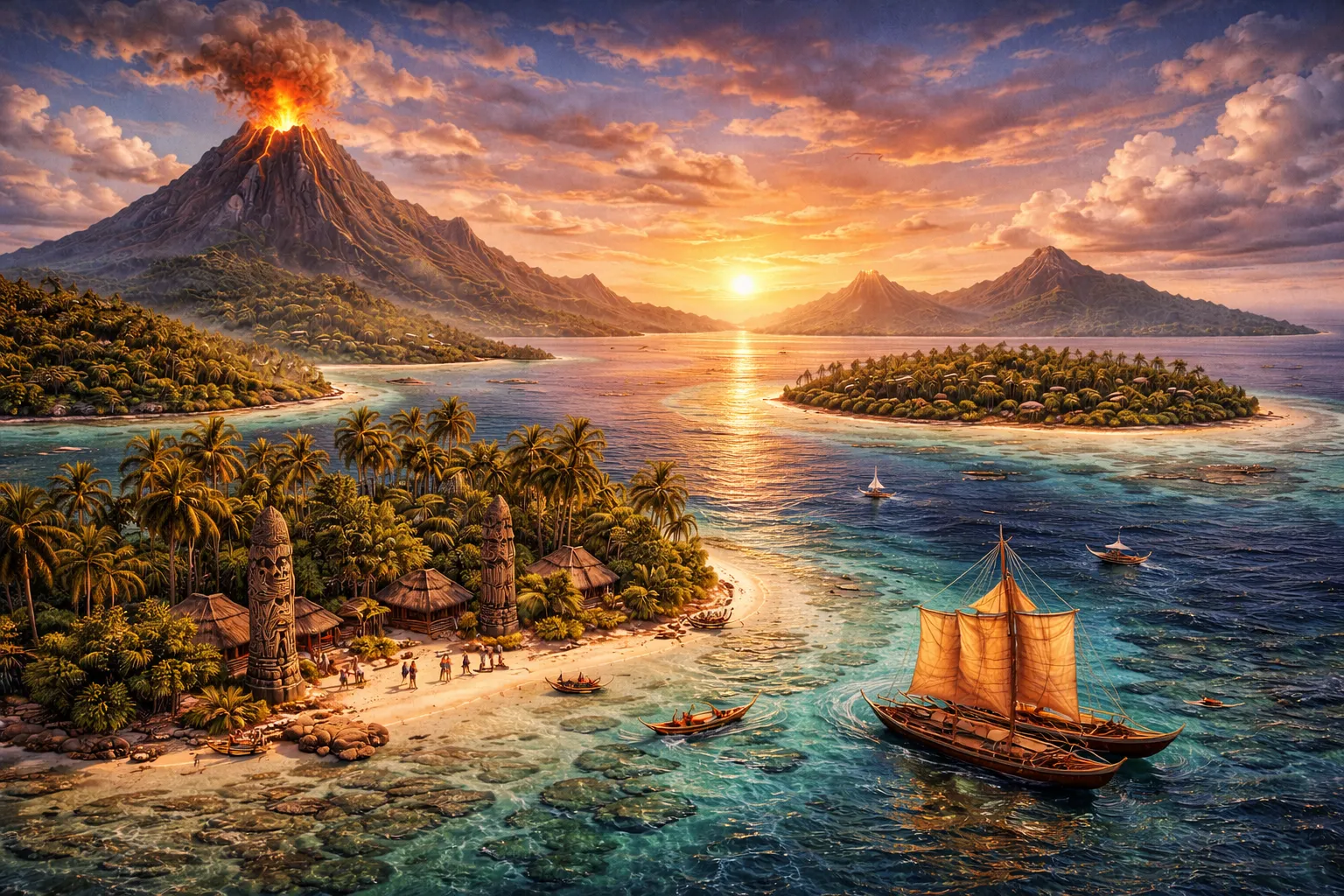
Polynesia: The Great Triangle
The most famous region. Draw a triangle with Hawaii at the top, New Zealand at the bottom, and Easter Island (Rapa Nui) in the east. Everything inside is Polynesia.
Despite the massive distances (Tahiti is over 2,500 miles from Hawaii), the culture here is surprisingly uniform compared to Melanesia. This is because it was settled last, in a rapid burst of exploration. The islands are a mix of high volcanic peaks (like Bora Bora’s Mount Otemanu) and low coral atolls.
Part 2: A History Written in Water
You cannot travel here without seeing the scars of history. The narrative of Oceania is one of migration, colonization, and strategic exploitation.
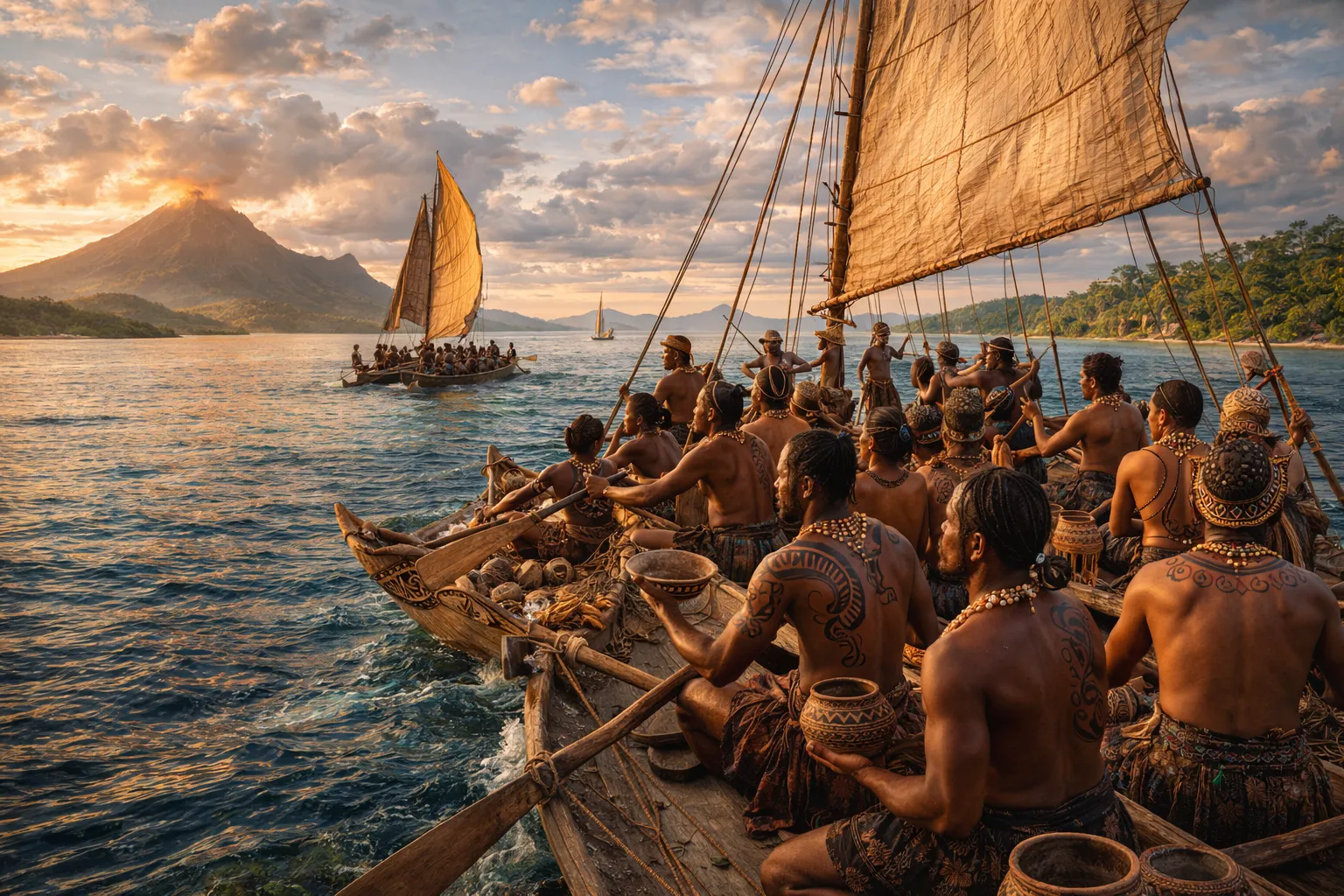
The Lapita Expansion
Long before Magellan or Cook, the Lapita people were the masters of this ocean. Around 3,000 years ago, they developed outrigger canoes capable of crossing open ocean. They navigated without compasses, reading the refraction of swells against distant islands and the migration paths of birds.
This is why you find similar words for "house" or "fish" in Hawaii, New Zealand, and Tahiti. They are cousins. Understanding this connection helps you see the region not as separated islands, but as a connected highway.
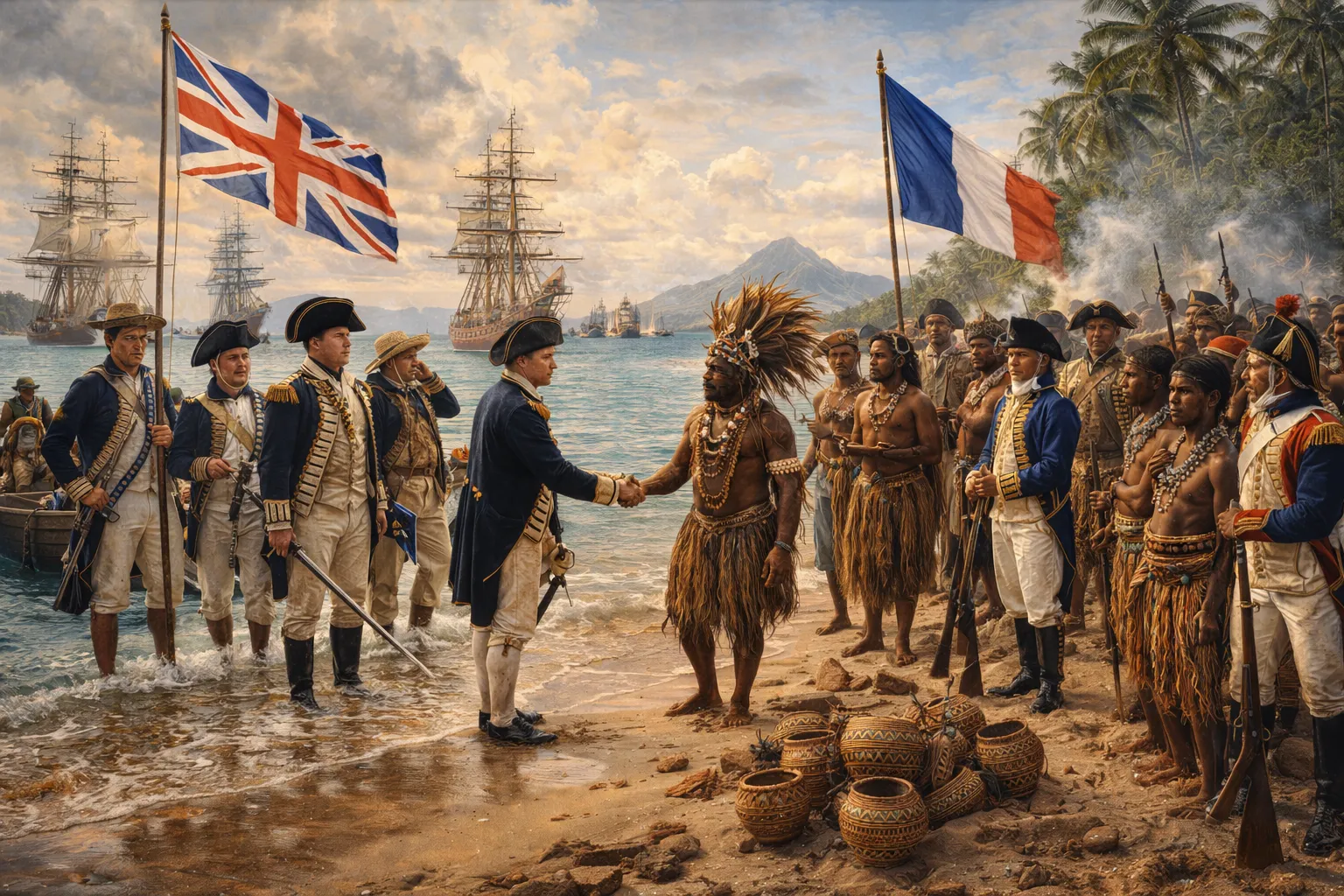
The Colonial scramble
The 19th century broke the region apart.
- The British took Australia, New Zealand, and Fiji.
- The French took Tahiti and New Caledonia (and held onto them).
- The Germans took parts of New Guinea and Samoa, later losing them in WWI.
- The Americans took Hawaii and Guam.
This carved up the map in ways that still complicate travel. Flying from a French territory to a British Commonwealth nation often requires routing through a third country because the colonial infrastructure lines never connected.
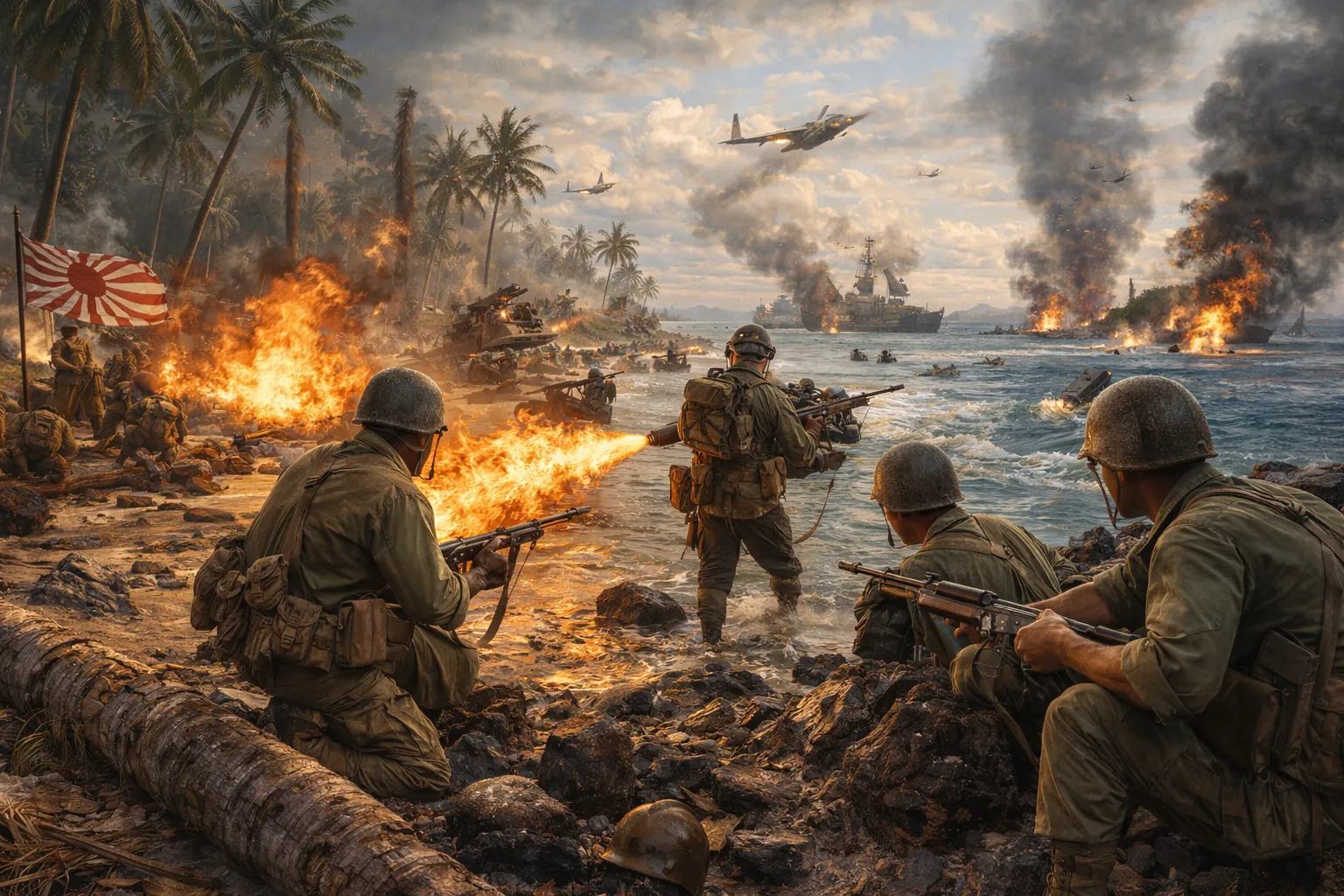
The War in the Pacific
For the traveler, WWII is still visible. In the Solomon Islands, you can snorkel over sunken Japanese destroyers just off the beach. In Kiribati, massive coastal defense guns rust in the surf. The war transformed these islands from isolated outposts into strategic assets, leaving behind airstrips that now serve as the backbone of modern tourism.
Part 3: The Big Two (Australia & New Zealand)
Most international travelers start here. These are the logistical hubs.
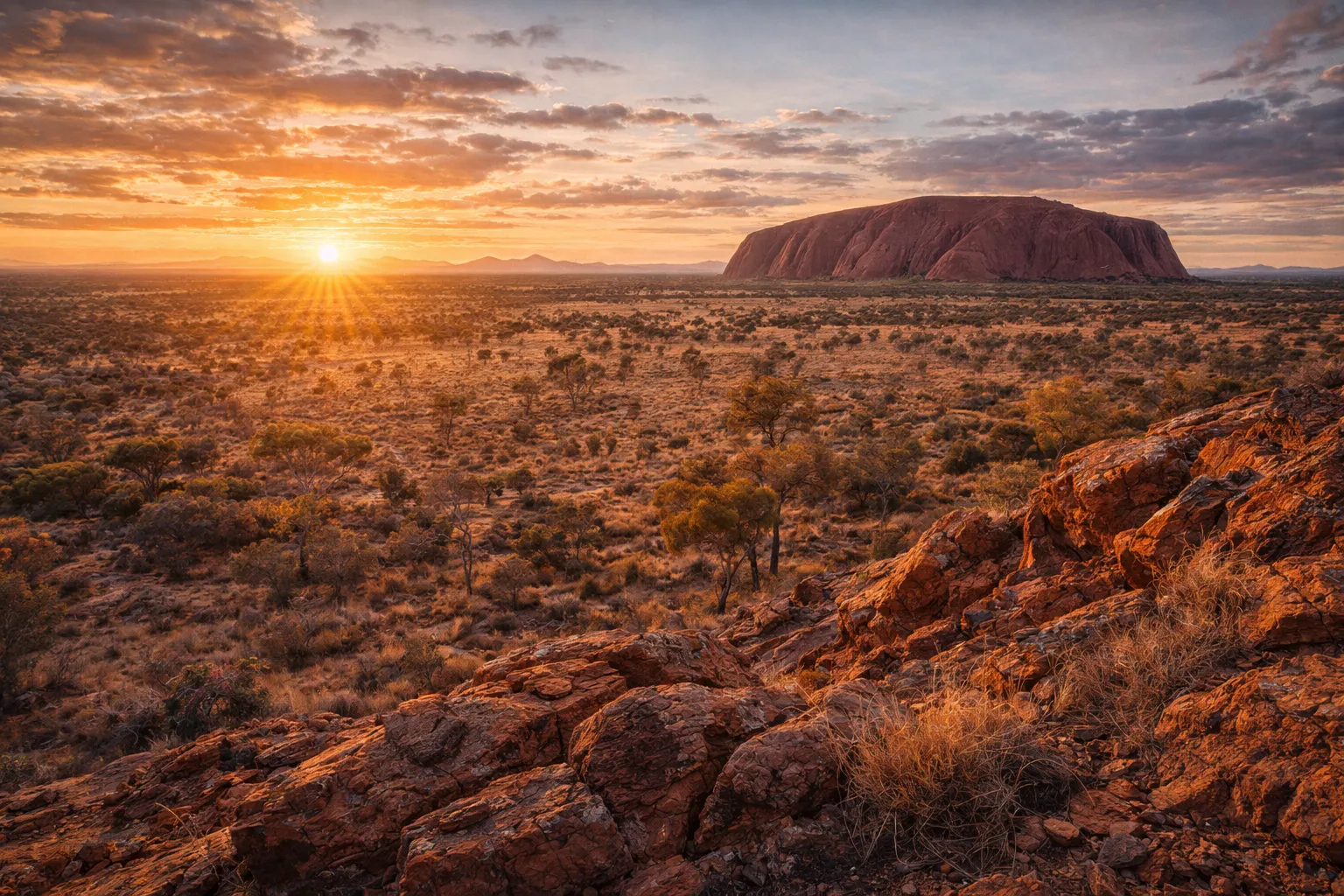
Australia: Beyond the East Coast
The standard tourist route is Sydney -> Reef -> Rock. It’s fine, but it misses the point of the country.
The Real Geography:
Australia is the size of the continental US but has the population of Texas. 85% of people live within 50km of the coast. The interior is the "Outback," but it’s not just one big desert.
- The Top End (Darwin & Kakadu): This is tropical savanna. It has two seasons: Wet and Dry. During the Wet, the highways flood and waterfalls explode. During the Dry, it’s 30°C and sunny every day. This is crocodile country.
- Tasmania: This island state broke off from the mainland and stayed cool. It looks like a rugged version of Scotland but with eucalyptus trees. It has the cleanest air in the world and a massive food scene based on cold-water oysters, dairy, and whiskey.
Cultural Note:
Australia is not just British convicts. It is home to the oldest continuous culture on earth. Aboriginal Australians have been here for 65,000 years. Don't just look at the art; take a tour with an Indigenous guide. The concept of "Country" is essential—it’s not just land ownership; it’s a spiritual obligation to the landscape.
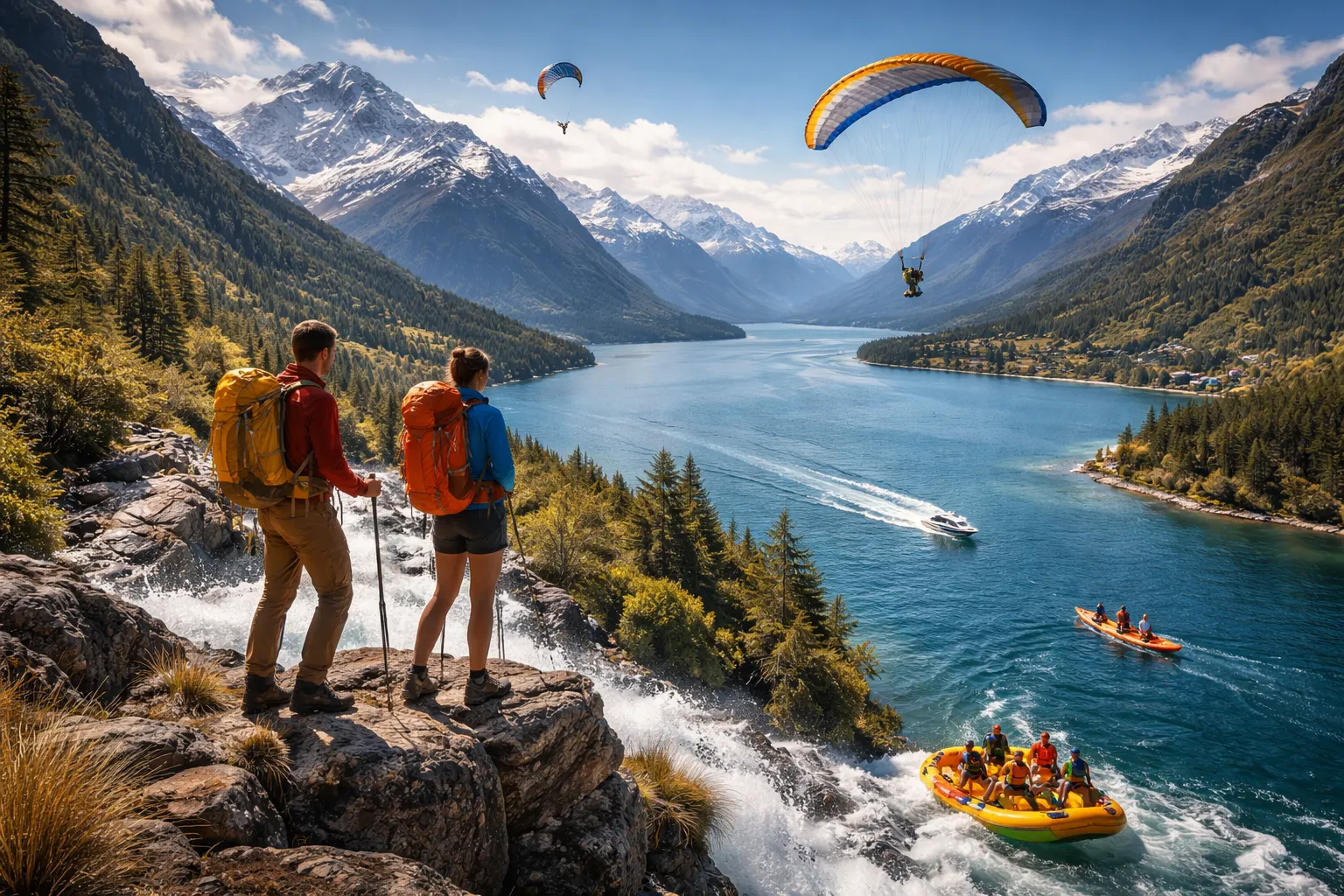
New Zealand: The Adventure Capital
New Zealand punches above its weight. It is divided into two main islands with a ferry connecting them.
North Island (Te Ika-a-Māui):
Warmer, more populated, and culturally rich. This is where you go for Maori history. The Bay of Islands in the north is subtropical. The central plateau is dominated by three massive volcanoes (Tongariro, Ngauruhoe, Ruapehu).
South Island (Te Waipounamu):
This is the dramatic scenery from the movies. The West Coast is a temperate rainforest receiving meters of rain a year. Just over the mountains, Central Otago is a semi-arid desert famous for Pinot Noir.
The "Great Walks":
New Zealand manages tourism through its Department of Conservation (DOC). The "Great Walks" are multi-day hikes with serviced huts. You have to book these months in advance. The Milford Track is the most famous, but the Kepler Track or Routeburn Track offer better alpine views and fewer crowds.
Part 4: The Pacific Islands (The Real Oceania)
Leaving the developed hubs, the infrastructure drops off, and the adventure begins.
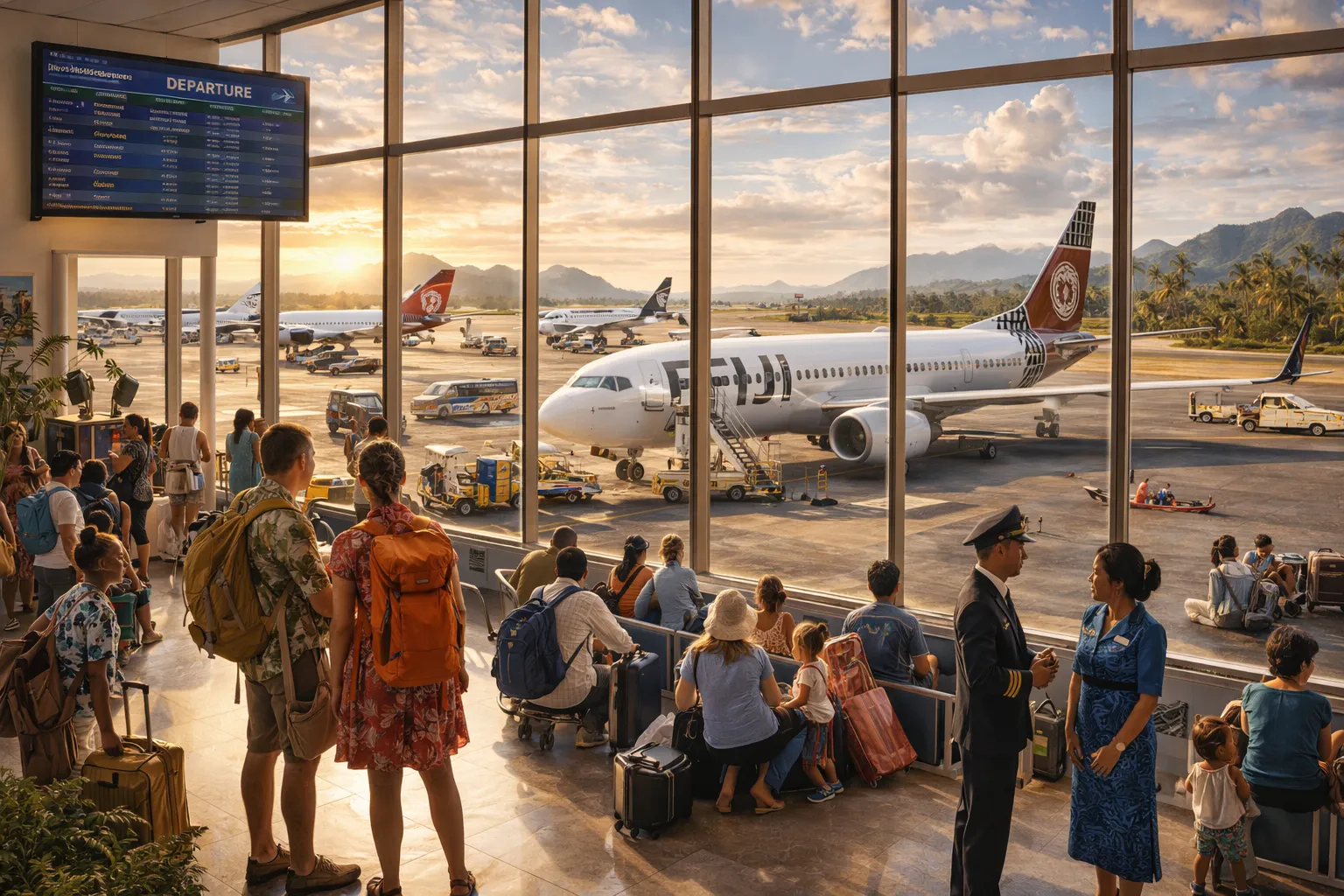
Fiji: The Hub
Fiji is the primary transit hub for the South Pacific.
- Viti Levu (Main Island): Nadi airport is here. The west side is dry and full of resorts. The east side (Suva) is wet, bureaucratic, and gritty.
- The Outer Islands: The Mamanucas and Yasawas are the dry, white-sand islands you see in movies. But for culture, go to Vanua Levu. Life here is slow. Electricity might be generated by diesel and turned off at night.
The Kava Culture:
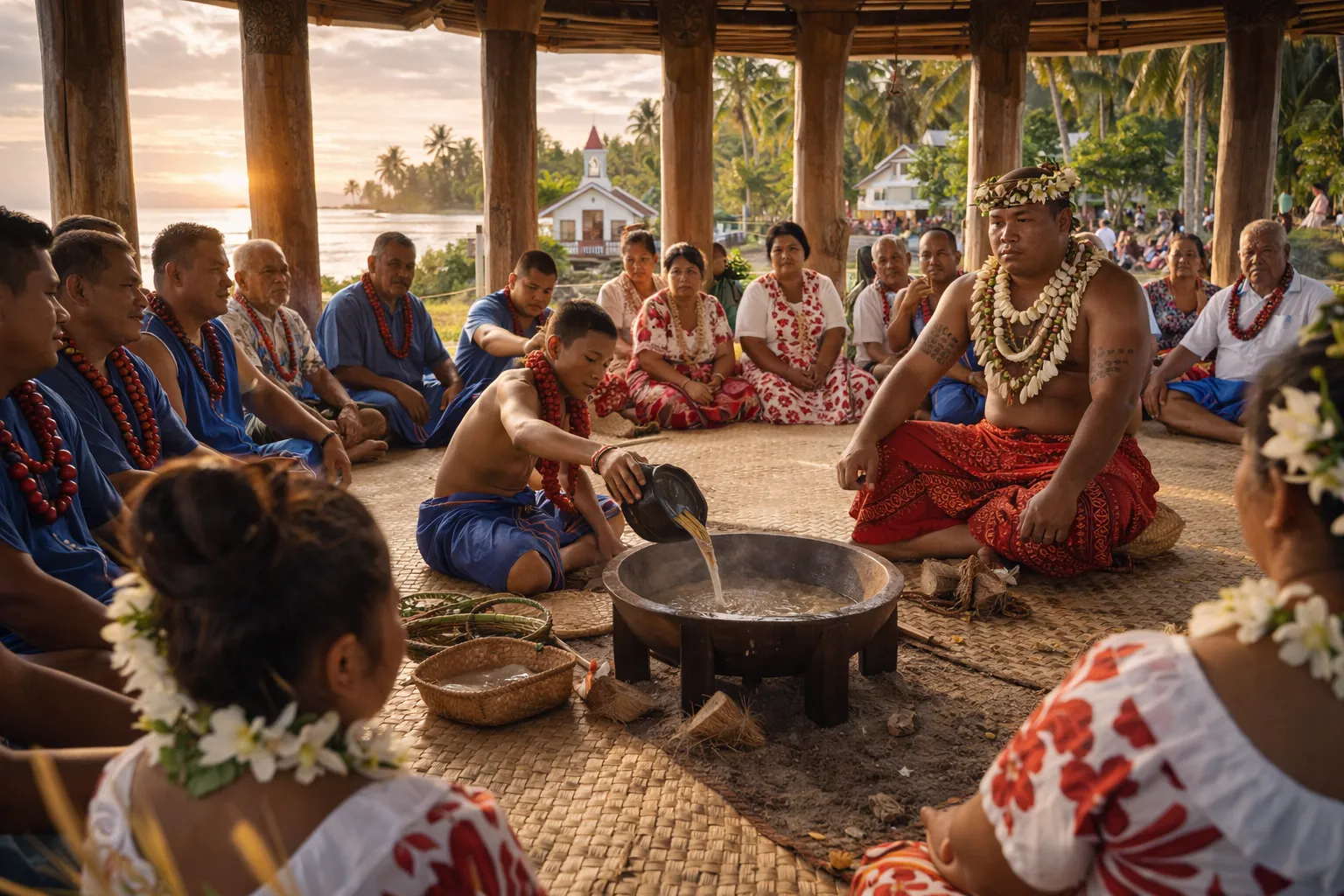
You cannot visit Fiji without drinking Kava (Yaqona). It is a muddy-looking drink made from pepper root. It numbs your tongue and relaxes you. It is not a drug; it is a ceremonial glue. If you visit a village, you must present a sevusevu (gift of kava root) to the chief.
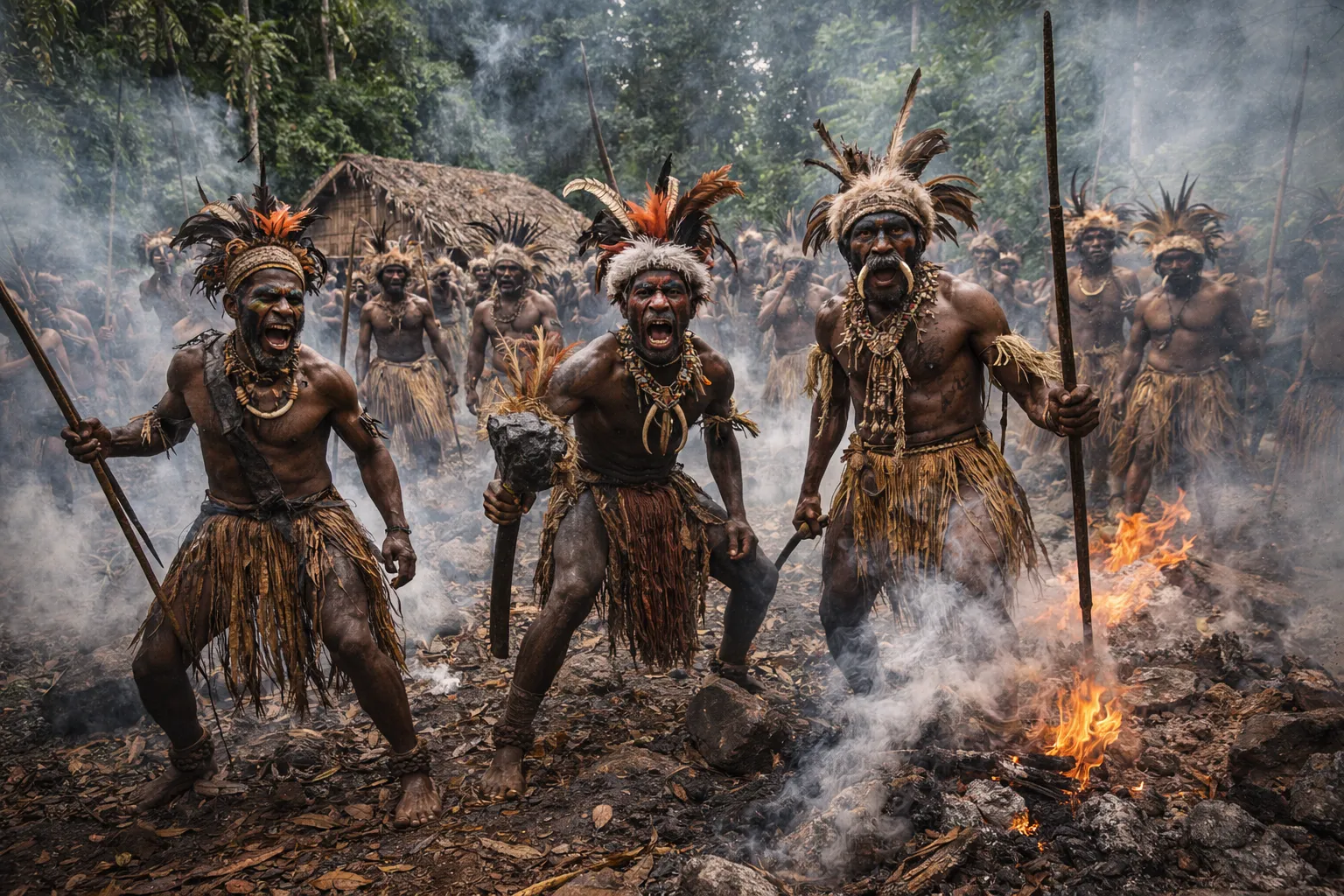
Vanuatu: The Wild West
Vanuatu is raw. It gained independence late (1980) and retains a fierce tribal identity.
- Tanna Island: Home to Mount Yasur, the most accessible active volcano in the world. You can drive to the rim.
- Santo: Home to the SS President Coolidge, a WWII troopship that hit a mine. It is one of the world's largest wreck dives. You can swim through the cargo holds and see jeeps and medical supplies still sitting there.
Samoa: The Conservative Heart
Samoa is deeply religious. Every evening, a prayer bell rings in the villages, and families gather for Sa (prayer time). Walking through a village during this time is forbidden.
- Upolu: The main island. Lush, green, and volcanic.
- Savai'i: The big island. It feels prehistoric. You can walk across massive lava fields that wiped out villages in the early 1900s.
French Polynesia: The Luxury Standard
Tahiti is the main island, but it is urban and busy with traffic.
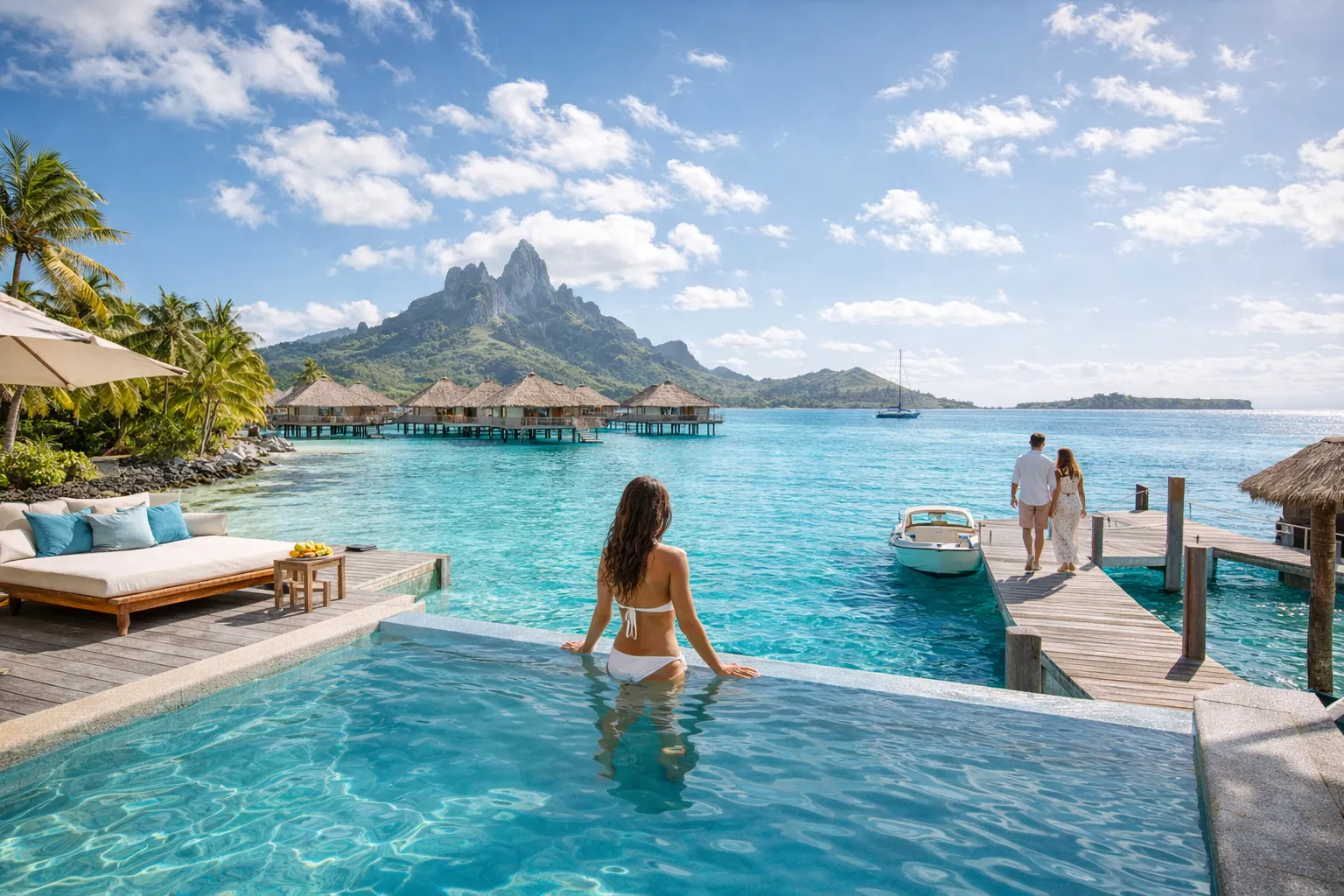
- Bora Bora: The icon. It is a lagoon surrounded by a barrier reef. The water clarity is unmatched.
- The Tuamotus: These are atolls. Rangiroa has a lagoon so big the entire island of Tahiti could fit inside it. This is a diving destination, known for "walls of sharks" in the tidal passes.
Part 5: Practicalities and Logistics
Traveling in Oceania is difficult. It is not like hopping on a train in Europe.
The Cost of Distance
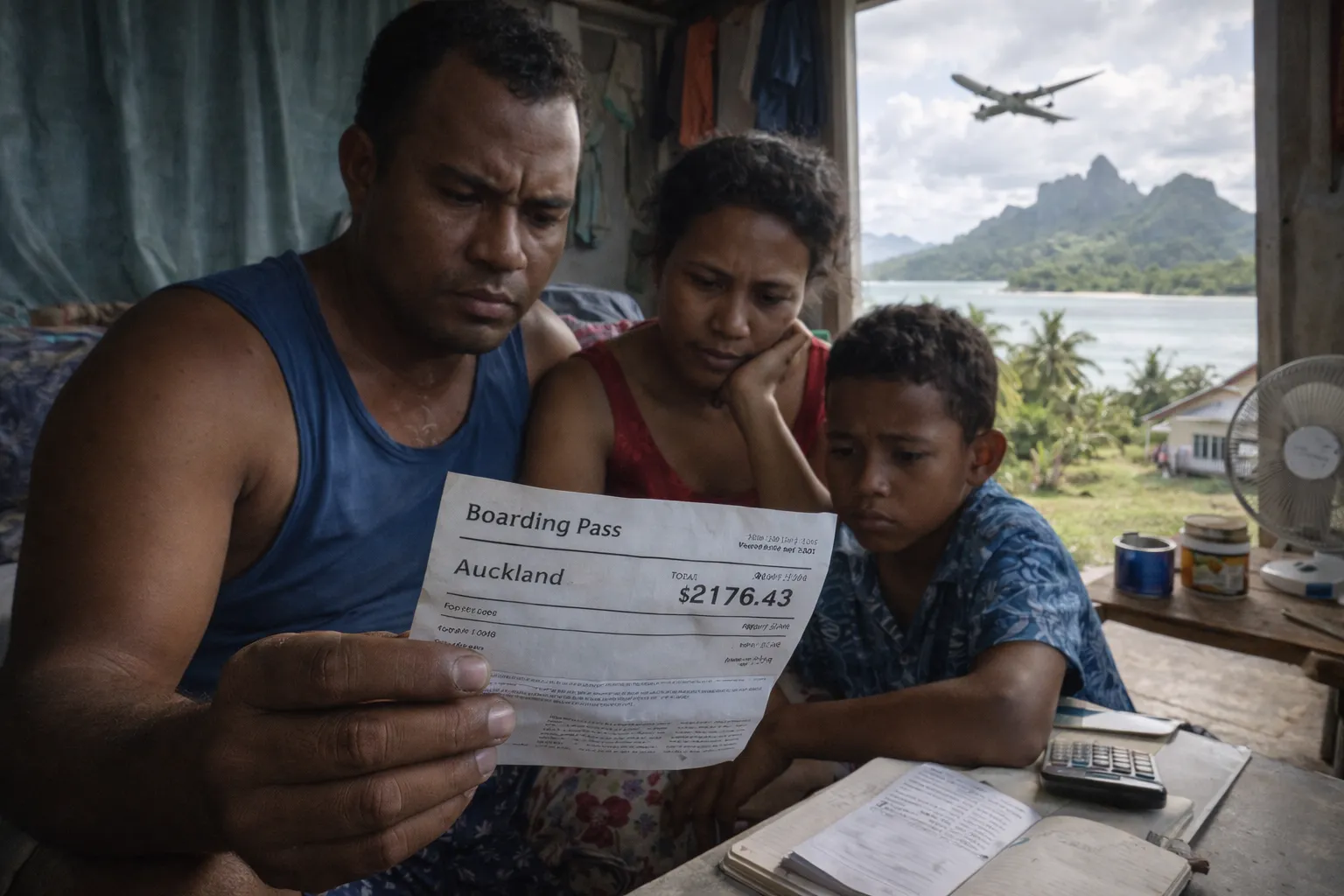
Flights are the biggest expense. Because populations are small, there is no economy of scale. A one-hour flight between islands can cost $300 USD.
- Strategy: Buy a "Circle Pacific" fare or a regional pass if available (though these are becoming rarer).
- Hubs: Nadi (Fiji), Auckland (NZ), and Honolulu (Hawaii) are the main gateways. You usually have to route back through these hubs to switch island groups.
Seasonality: Wet vs. Dry
The tropics do not have Summer and Winter. They have Wet and Dry.
- Dry Season (May – October): Lower humidity, cooler nights, less rain. This is peak tourist season. Prices are highest.
- Wet Season (November – April): High humidity, daily downpours, and Cyclone Season. Travel is cheaper, but you risk getting stuck on an island if a storm rolls in.
Currency and Cash
- Australia/NZ: Fully cashless societies. You can pay for a coffee with a watch.
- The Islands: Cash is King. Outside of resorts, you need local currency for markets, taxis, and village donations. ATMs run out of money. Bring backup cash (USD/AUD/NZD) to exchange.
Internet
Do not expect high speed. In places like the Cook Islands or rural Fiji, Wi-Fi is often sold by the megabyte and is excruciatingly slow. Starlink is beginning to change this, but for now, assume you will be offline. Download offline maps and entertainment before you leave the mainland.
Health
- Dengue Fever: There is no vaccine. It is mosquito-borne and brutal. DEET is mandatory.
- Malaria: Present in Vanuatu, Solomon Islands, and Papua New Guinea. You need antimalarials. It is generally not present in Fiji, Samoa, or Tonga.
- Coral Cuts: Coral is sharp and covered in bacteria. A small scratch can turn into a serious infection in the humidity. Treat every scratch immediately with antiseptic.
Part 6: Cultural Etiquette (The Unwritten Rules)
The Pacific is friendly, but it is conservative. The "island vibe" does not mean "anything goes."
1. Dress Code
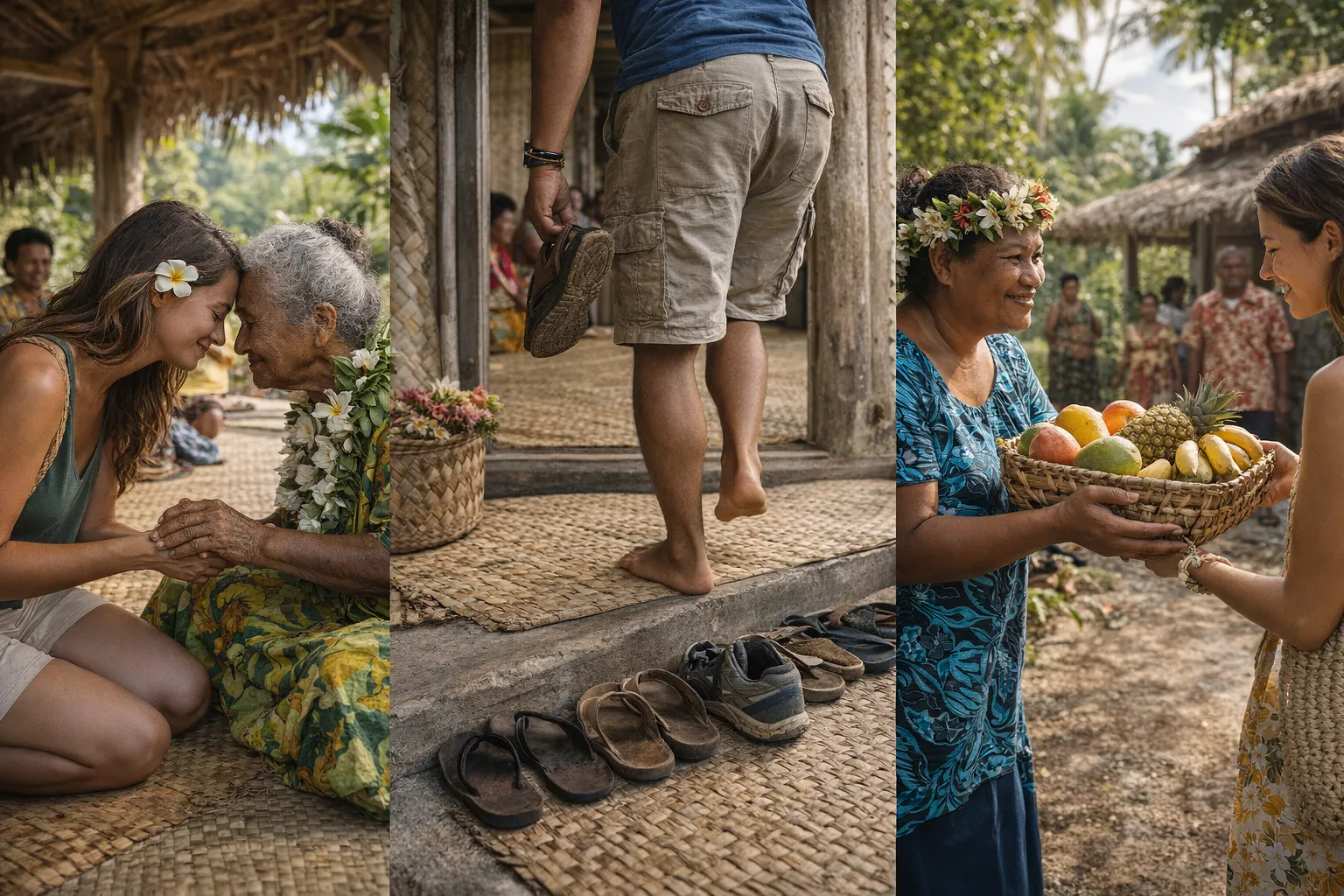
Swimwear is for the beach/pool only. Walking around a town or village in a bikini or shirtless is deeply offensive in places like Tonga, Samoa, and Fiji. Wear a sarong (sulu/lavalava) or shorts.
2. Sunday Observance
In Tonga, Samoa, and the Cook Islands, Sunday is dead quiet. Flights often don't run. Shops are closed. Contracts signed on a Sunday in Tonga are legally void. Respect the quiet.
3. The Head is Sacred
In many Polynesian and Melanesian cultures, the head is the most spiritual part of the body. Do not touch a child’s head. Do not sit on a pillow meant for a head.
4. "Island Time"
This is a real thing. Buses run when they are full, not when the schedule says. Meetings start when everyone arrives. If you bring a rigid Western clock to the islands, you will be stressed. If you accept that things happen when they happen, you will relax.
Part 7: Economic Realities
To understand the region, you have to look at the economy. It explains why things are the way they are.
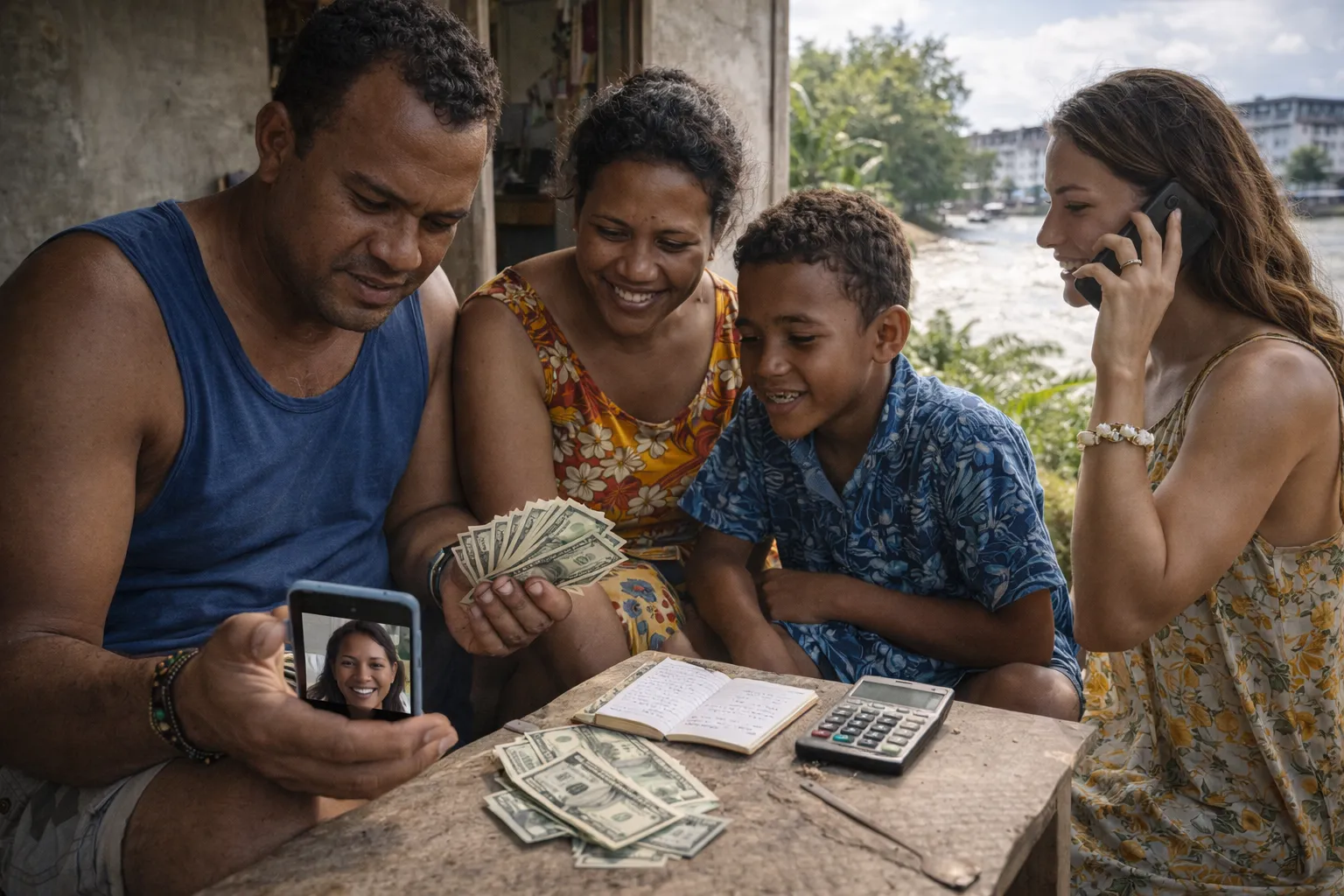
Remittances:
In countries like Tonga and Samoa, a huge chunk of GDP comes from relatives working in Australia, NZ, or the US sending money home. You will see Western Union signs everywhere. This is the lifeblood of the economy.
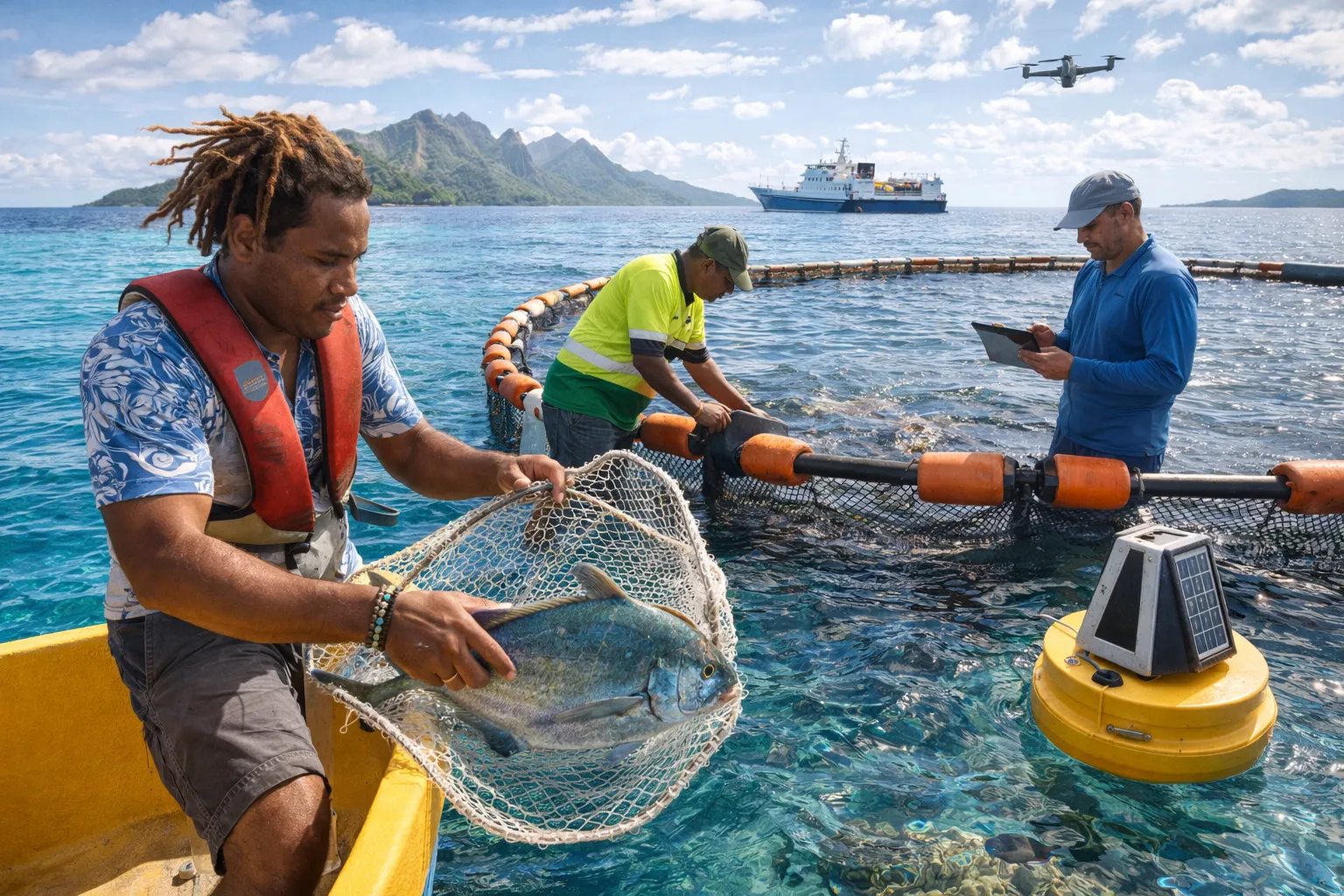
The Blue Economy:
These tiny nations control massive amounts of ocean. The "Exclusive Economic Zones" (EEZ) mean that Kiribati, despite having tiny land, controls an ocean area the size of India. Selling fishing rights to tuna fleets (from China, Japan, US) is a primary source of government revenue.
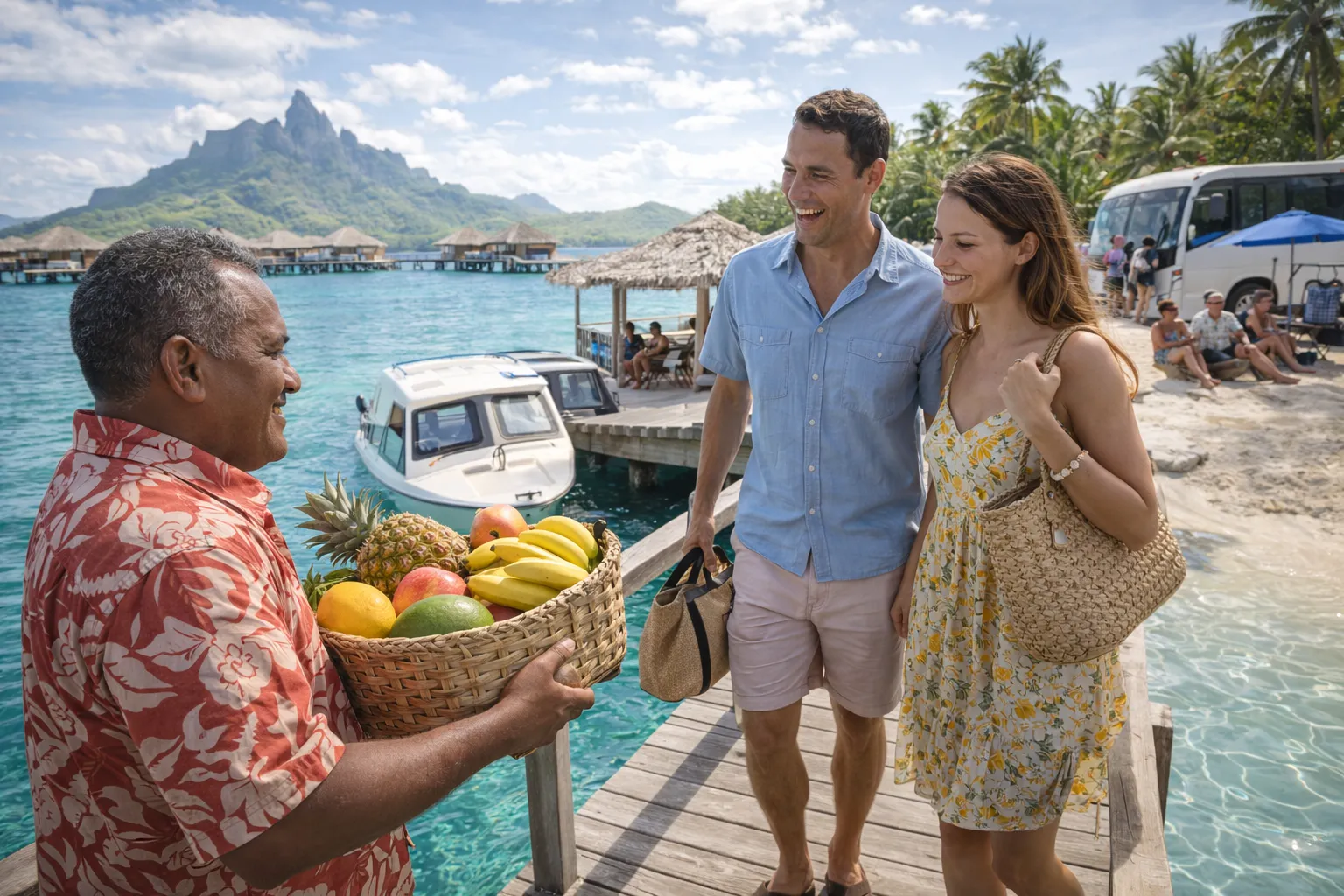
Tourism Dependency:
COVID-19 devastated the region. Economies like Fiji and the Cook Islands saw their GDP collapse overnight. They are recovering, but the infrastructure (hotels, boats, tour operators) is still rebuilding. Patience is required.
Part 8: Must-Do Experiences by Interest
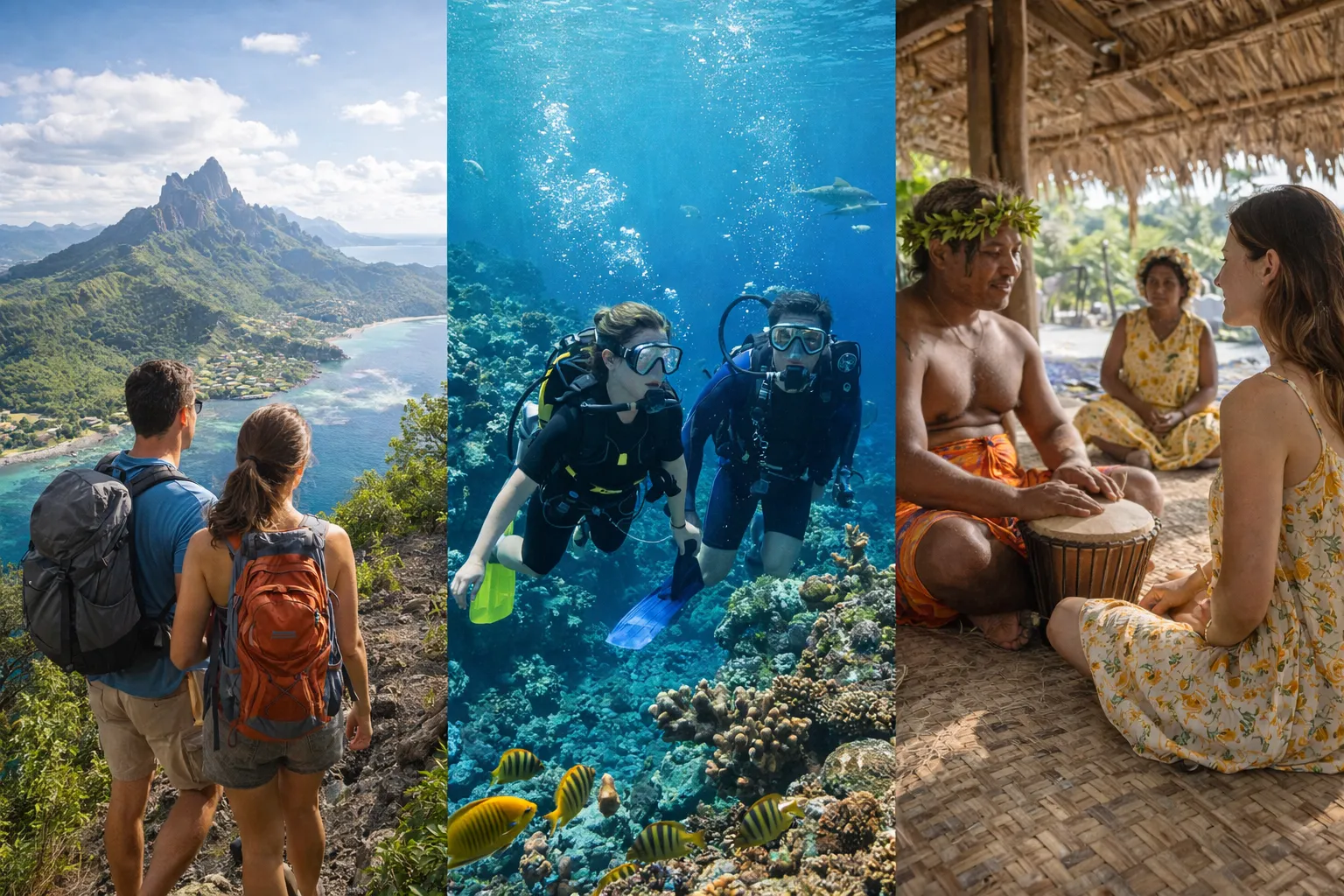
For the Hiker
- Overland Track (Tasmania): 6 days through alpine moorlands and rainforests.
- Kokoda Track (Papua New Guinea): 96km of brutal jungle trekking. It’s a rite of passage for Australians due to the WWII history.
- Te Araroa (New Zealand): A 3,000km trail running the entire length of the country.
For the Diver
- Palau: The Blue Corner. Hook into the reef and watch grey reef sharks patrol the current.
- Chuuk Lagoon (Micronesia): An entire Japanese fleet sunk in shallow water.
- Great Barrier Reef (Australia): Go north to Osprey Reef or the Ribbon Reefs to avoid the damaged areas and the crowds.
For the Culture Seeker
- Mount Hagen Show (PNG): A "Sing-Sing" where hundreds of tribes gather in traditional dress. It is a sensory overload of feathers, paint, and drums.
- Waitangi Treaty Grounds (NZ): The birthplace of the nation. The cultural performances here are powerful and explain the Maori struggle for sovereignty.
- Heiva i Tahiti: A massive dance and sport festival in July in French Polynesia.
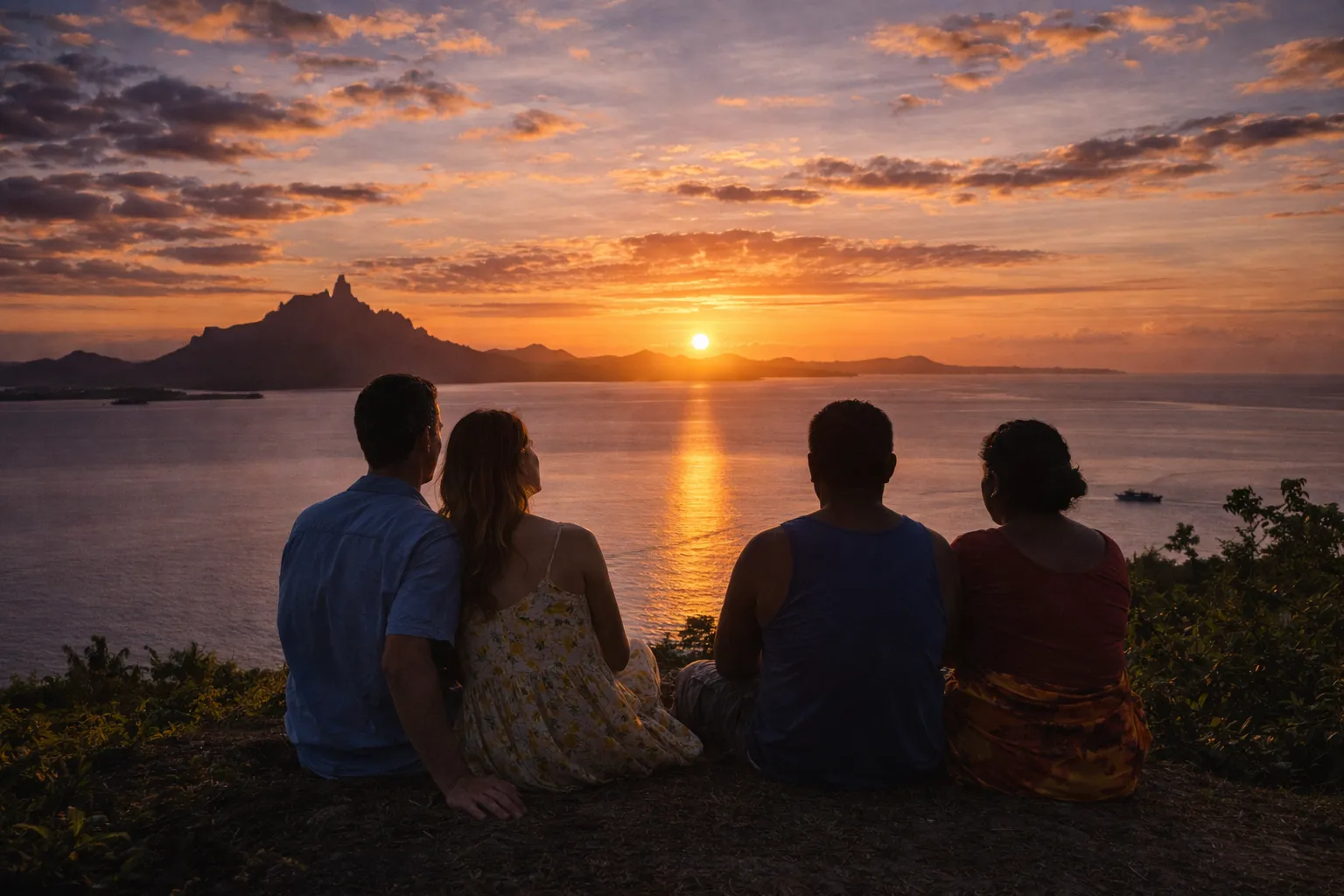
Final Thoughts: The Horizon
Oceania is not an easy place to travel. It is expensive, the logistics are frustrating, and the humidity can be oppressive.
But the reward is clarity.
There is a specific feeling you get when you are on an atoll in the Tuamotus, thousands of miles from the nearest continent. You realize how small the human footprint actually is. You see the Milky Way cast shadows on the beach because there is zero light pollution. You meet people who value community over accumulation, who can read the ocean like a newspaper.
Go to Europe for history. Go to Asia for food. Go to Oceania to find the edge of the world, and to see what it looks like when land gives way to water.